
6 Requirements Veterinary Clinics May Use When Selecting Animal Blood Donors
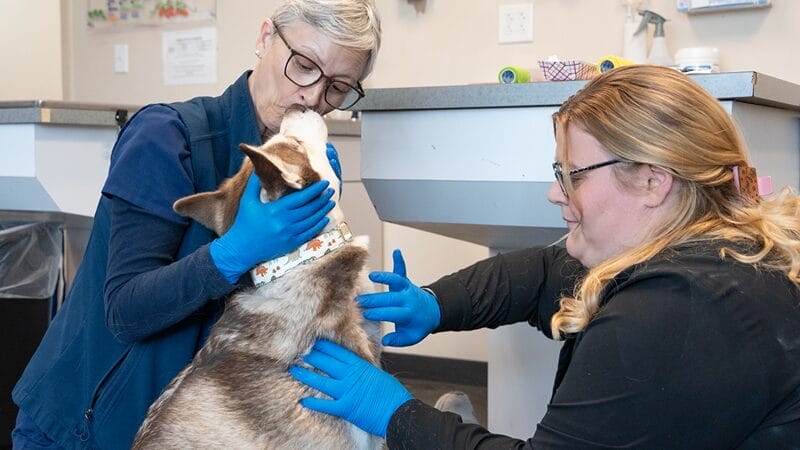
If your pet needs a transfusion, the fear hits fast. You hear “blood donor” and your mind goes straight to risk, safety, and whether another animal is truly healthy enough to help. If you run or work in a veterinary clinic, or are seeking guidance from a veterinarian in Shirley, NY, the pressure looks different but feels just as real. You need donor animals who are safe, stable, and a good match, because one weak screening step can put two animals at risk instead of helping one.
That is why many clinics build clear standards around donor selection. The requirements for animal blood donors often focus on age, weight, health status, temperament, vaccine history, and disease screening. Some programs also look at breed, prior transfusion history, and whether the animal can handle repeat visits without distress. The goal is simple. Protect the donor, protect the recipient, and make sure the blood supply is dependable when a crisis walks through the door.
Veterinary clinics often start with size, age, and stable health
Most donor programs prefer animals that are large enough to give blood safely without strain. In dogs, that usually means a healthy adult with enough body weight to tolerate collection. In cats, the standards are tighter because their total blood volume is lower, so clinics tend to be selective about size and overall condition. A donor who is too small may still look healthy, but the collection itself can be harder on the body than many owners expect.
Age matters for the same reason. Clinics often choose young to middle-aged adults rather than very young animals or seniors. A puppy or kitten is still developing. An older pet may carry hidden health issues that do not show up until stress exposes them. Blood donation should never push a marginal patient into a problem.
General health is the baseline requirement. A donor animal usually needs a normal physical exam, healthy gums, good hydration, and no sign of anemia, infection, or chronic disease. If a pet has heart disease, endocrine disease, clotting issues, or a history of fainting, most clinics will move on. This is one reason university programs like the Cornell blood donor program keep structured eligibility standards in place.
Temperament and handling tolerance can decide whether a pet qualifies
People sometimes assume blood donation is only about lab values. It is not. A frightened or reactive animal can turn a routine collection into a dangerous event. Even a healthy dog or cat may not be a good donor if restraint causes panic, aggression, or severe stress. Clinics often look for calm animals that can lie still, tolerate handling, and recover well from the visit.
This is not about convenience. Stress changes heart rate, breathing, and blood pressure. It can also increase the chance of injury during needle placement or collection. If a pet needs heavy sedation every time, some clinics will decide the burden outweighs the benefit. Programs such as the University of Minnesota donor program highlight the value of reliable, easy-to-handle donors for exactly this reason.
Infectious disease screening is one of the strictest parts of animal donor screening
A donor can look perfectly healthy and still carry a disease that should never be passed to a recipient. That risk is one of the hardest parts of transfusion medicine. Clinics may screen dogs for tick-borne disease, heartworm, and other blood-borne infections based on region and travel history. Cats are often screened for feline leukemia virus and feline immunodeficiency virus, along with other concerns tied to local protocols.
Travel history matters because disease exposure changes with geography. A pet that lived in one state for years and then spent one summer in a high-risk area may trigger extra testing. Vaccine records matter too, not because vaccines replace screening, but because they help show whether the pet receives regular care and has a stable preventive health routine.
This is where animal donor screening becomes more than a checkbox. A missed infectious disease can harm an already fragile recipient, and it can also damage trust in the clinic if a preventable transmission occurs.
Blood type, reproductive status, and transfusion history affect donor selection
Blood type is obvious once you think about it, but it still surprises many owners. Not every donor can help every patient. Dogs and cats have different blood group systems, and mismatches can cause serious reactions. Clinics may favor animals with commonly needed or especially useful blood types, depending on the patient population they serve.
Many programs also prefer pets that are spayed or neutered. In female animals, prior pregnancy can complicate transfusion compatibility in some cases because of antibody exposure. A history of receiving a transfusion can matter too, since prior exposure may affect future blood matching decisions.
Programs with dedicated blood banks, such as the Virginia Tech veterinary blood bank, usually apply these standards in a formal way because they support urgent and repeat transfusion needs across many cases.
Side-by-side comparison of common veterinary blood donor requirements
| Requirement | Why clinics use it | What may disqualify a donor |
| Healthy adult age range | Reduces risk tied to growth, frailty, and hidden illness | Very young age, senior status, chronic disease signs |
| Minimum body weight | Helps the animal tolerate safe blood collection volume | Small size, low body condition, recent weight loss |
| Normal physical exam and lab work | Protects donor and supports blood quality | Anemia, heart issues, infection, abnormal chemistry or CBC |
| Calm temperament | Lowers stress and handling risk during collection | Fear, aggression, severe restraint intolerance |
| Negative infectious disease screening | Prevents disease transmission to recipients | Positive test results, high-risk travel or exposure history |
| Appropriate blood type and history | Improves compatibility and transfusion planning | Unfavorable typing, prior transfusion concerns, some reproductive histories |
Practical steps that make veterinary clinic donor decisions easier
Build a written donor checklist. Keep one standard form for weight, age, exam findings, travel, vaccine history, lab work, and blood type. This reduces rushed judgment calls when an emergency case arrives, and staff is already stretched thin.
Review donor stress, not just donor health. A pet with perfect lab results can still be a poor candidate if every visit is a fight. Track behavior at check-in, restraint tolerance, and recovery after collection. This is often the difference between a one-time donor and a safe long-term donor for a veterinary clinic.
Recheck eligibility on a schedule. A donor who qualified last year may not qualify now. Repeat exams and screening matter because health, travel exposure, and medications change. That simple habit protects the blood supply and supports better outcomes for clinics using pet blood donor criteria.
Careful donor standards protect both animals
When a clinic uses strong donor standards, the process becomes safer, calmer, and more predictable for everyone involved. That matters when a patient is bleeding, an owner is scared, and there is no room for preventable mistakes. The best donor programs are not built on luck. They are built on clear screening, careful follow-up, and respect for the donor animal as much as the recipient.
If you are reviewing or updating your donor process for your veterinary clinic, start with these six points and tighten the gaps you already know are there. A clear system today can spare you a harder call later.