
5 Services That Add Value To Veterinary Clinic Care
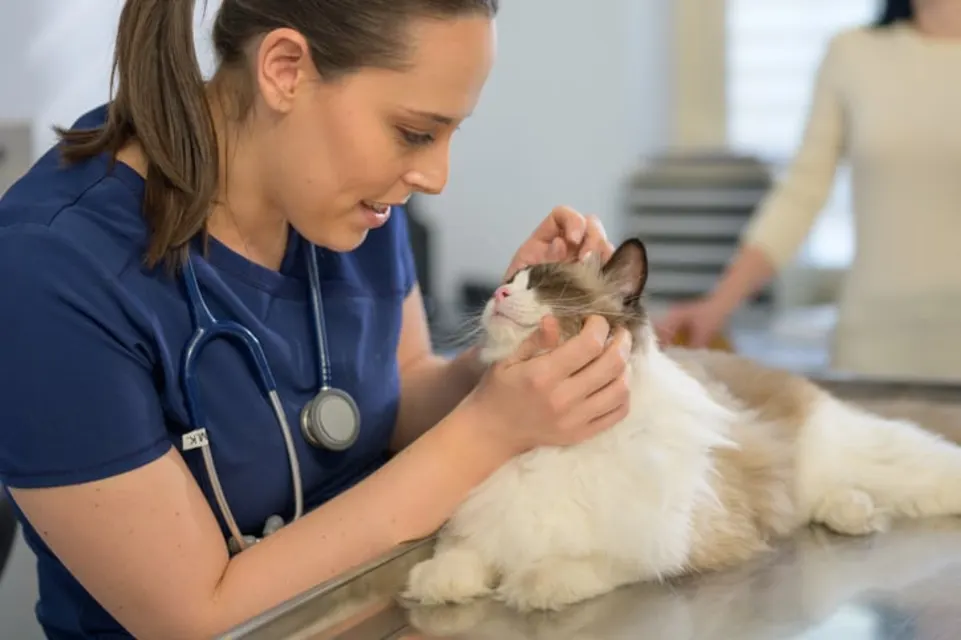
You know the feeling. Your pet seems off, maybe they are eating less, scratching more, limping after a walk, or just acting unlike themselves, and suddenly you are trying to make smart decisions fast. Most people do not just want a clinic that handles emergencies. You want a friendly neighborhood vet clinic that catches problems early, makes daily life easier, and helps your animal stay well between visits.
That is where the extra services matter. A good veterinary clinic does more than give vaccines and treat illness. The right support can improve comfort, prevent avoidable problems, and save money over time. When people talk about value-added veterinary services, they usually mean care that goes beyond the basics and gives you clearer guidance, better monitoring, and more complete support for your pet’s health.
Preventive Exams Catch Problems Before They Turn Expensive
Routine wellness visits are easy to postpone when your pet seems fine. That is usually when hidden issues keep growing. Dental disease, early arthritis, weight gain, skin infections, and heart changes often start quietly. By the time a pet shows obvious pain, the treatment is often more involved and more costly.
Regular exams add value because they create a baseline. Your clinic learns what is normal for your pet’s weight, teeth, skin, ears, joints, and behavior. If something changes, your veterinarian has context. That leads to faster decisions and fewer guesses.
This is one of the simplest ways a veterinary care clinic can protect both your pet and your budget. A short visit now can prevent a crisis later.
Nutrition Counseling Supports Long Term Health
Food advice online is a mess. One source says grain free is best. Another says raw feeding solves everything. Meanwhile your pet may have allergies, stomach upset, obesity, kidney concerns, or age-related changes that make feeding more personal than people expect.
Nutrition counseling adds real value because it turns vague advice into a plan. Your veterinarian can help you choose a diet based on life stage, body condition, medical history, and activity level. If your pet needs extra support, clinics often rely on evidence-based guidance like the Texas A&M veterinary nutrition resources.
That matters when a pet is overweight and slowing down, or when a senior cat is losing muscle even though they are still eating. The right feeding plan can ease stress on joints, improve digestion, support recovery, and reduce the risk of chronic disease getting worse.
Dental Services Improve Comfort More Than Most Owners Realize
Bad breath gets brushed off all the time. So does tartar. The problem is that dental disease is not just cosmetic. It hurts. Pets often keep eating even when their mouths are sore, so the pain can be easy to miss.
Professional dental exams and cleanings add value because they deal with disease below the gumline, where home brushing cannot reach. Clinics may also spot fractured teeth, infected gums, oral masses, and signs of deeper infection. Cornell’s guide to veterinary dentistry and dental disease explains how common and damaging these issues can be.
If your dog has become irritable with chew toys or your cat has started dropping food, dental pain may be part of the picture. Addressing it can improve appetite, mood, and daily comfort quickly.
Telemedicine and Follow Up Communication Add Convenience and Clarity
Not every concern needs a full in-clinic visit, but not every concern is safe to handle by text alone either. That gray area causes a lot of frustration. You want answers, but you also want to know the advice is legitimate and based on an actual veterinarian-client-patient relationship.
Telemedicine services add value when they are used the right way. Follow ups after surgery, medication checks, minor behavior concerns, and some chronic condition reviews may be appropriate remotely. The FDA outlines how veterinarian-client-patient relationships and telemedicine affect prescribing and care decisions.
This kind of access can save you time, reduce travel stress for anxious pets, and help you act sooner when something changes. It also helps you know when remote care is not enough and an exam is the safer choice.
Diagnostic Testing Gives Faster Answers When Symptoms Are Vague
Some of the most stressful vet visits start with symptoms that could mean ten different things. Vomiting might be dietary, hormonal, infectious, or something obstructive. Limping could be a strain, arthritis, a paw injury, or worse. Waiting too long because the signs seem minor can backfire.
In-house lab work, imaging, and parasite screening are services that enhance veterinary care because they reduce delay. Instead of treating blindly, your clinic can gather evidence and narrow the cause. That leads to better treatment and less wasted money on trial-and-error care.
| Service | What It Helps Prevent or Detect | Value to You |
| Wellness exams | Early signs of chronic disease, weight changes, skin or joint issues | Lower risk of late stage treatment costs |
| Nutrition counseling | Obesity, digestive issues, poor disease management | Clear feeding plan based on your pet’s needs |
| Dental care | Gum disease, tooth loss, oral pain, infection | Better comfort, breath, and eating habits |
| Telemedicine follow up | Gaps in monitoring, delayed questions after treatment | Convenience and faster guidance |
| Diagnostic testing | Hidden illness, parasites, internal problems | Faster answers and more targeted treatment |
Practical Steps That Help You Choose the Right Veterinary Clinic Services
Ask what preventive care is actually included. Do not assume every clinic offers the same level of support. Ask about wellness screening, dental evaluations, nutritional guidance, and follow up communication. Basic appointments vary more than people think.
Track small changes before the visit. Write down appetite shifts, weight changes, stool issues, energy level, thirst, scratching, limping, and behavior changes. A short list from the last two weeks often gives your veterinarian better clues than a general sense that your pet is “not right.”
Think beyond the immediate problem. If your pet needs treatment today, ask what service could help prevent the same issue from returning. That might mean a dental cleaning after recurring mouth pain, a diet review after stomach trouble, or routine lab work for a senior pet. This is where good animal clinic support proves its worth.
Better Veterinary Clinic Care Often Comes From the Extras
The best clinics are not adding services just to fill a menu. They are building layers of care that make your pet safer, more comfortable, and easier to treat over time. If you have been trying to decide what really matters beyond vaccines and sick visits, start with the services that prevent pain, catch change early, and give you better guidance at home.
Your pet depends on you to notice when something feels off, and you do not need to figure it all out alone. Reach out to a local veterinary clinic and ask which added services fit your pet’s age, health, and daily routine.