
Confirmed or Rumoured: What Celebrity Hair Stories Taught Men About Hair Loss
For a long time, hair loss was something men noticed privately and rarely discussed. Thinning at the temples was usually treated as a joke or quietly ignored, and few men felt comfortable raising it even with friends. Then, every so often, a well-known figure spoke openly about it, and the tone of the wider conversation shifted a little. Comparing a confirmed case with an unconfirmed one shows how much difference a single honest statement can make.
Confirmed and Rumoured Are Not the Same Thing
It sounds obvious, yet the two categories are mixed up constantly online. A confirmed hair transplant is one the person has acknowledged in their own words. A rumoured one is a conclusion drawn by other people, usually from photographs, and it may or may not be true.
The distinction matters for more than accuracy. When rumours are reported as fact, readers are given a false picture of what treatment can achieve and how quickly. When confirmed stories are told carefully, they can give people a realistic sense of the process, including the waiting and the follow-up work that is often involved.
Wayne Rooney: A Public Admission That Changed the Tone
Wayne Rooney is one of the clearest examples of a confirmed case. In June 2011, the footballer announced publicly that he had undergone a hair transplant, and he later had further work. At the time, it was unusual for a sports star at the height of his career to talk about the subject so directly.
The coverage of Wayne Rooney’s hair transplant was intense, and plenty of it was teasing. But something else happened alongside the jokes. Many ordinary men realised that someone they watched every weekend had worried about the same thing they did, and had done something about it without hiding.
His case also illustrated a point that is often overlooked: restoration is not always a single event. The fact that he later had further work reflects a reality that many doctors explain to patients. Hair loss can continue after surgery, and some people choose additional sessions or ongoing medical treatment to keep the overall look balanced as they age.
Tom Brady: Speculation Without Confirmation
Tom Brady sits in the other category. Over a long career, photographs of the quarterback from different years have prompted repeated discussion online, and searches for Tom Brady hair transplant reflect that curiosity. However, he has not confirmed having a hair transplant, and any claim that he did remains speculation.
Without a first-hand statement, there is simply no reliable information about whether any procedure took place, let alone when or how. What can be said is that his hair has been worn in many different ways over the years, from short, practical cuts to longer, swept-back styles. Helmets, sweat, stadium lighting, and press-conference lighting all change how a hairline photographs.
There are many possible explanations for visible changes in a public figure’s hair. Professional grooming, different products, a new parting, colour treatment, and medication that some men use to slow shedding can all play a part. Hair systems are another option used by some people in the public eye. Choosing one explanation over the others without evidence is guesswork.
What Public Honesty Changed for Men
Looking back, the effect of confirmed stories like Rooney’s is less about the individual and more about the conversation that followed. Several shifts are noticeable in how men approach the topic today.
- Less secrecy. Talking to a partner, friend, or doctor about thinning hair is far more common than it once was.
- Earlier questions. Many men now seek advice when they first notice change, rather than waiting until loss is advanced.
- More interest in facts. People increasingly want to understand donor areas, graft numbers in general terms, and recovery, rather than relying on hearsay.
- Room for different choices. Surgery, medication, a shorter cut, or simply accepting the change are all treated as legitimate options.
At the same time, openness has a downside when it is paired with rumour. If every visible improvement is attributed to surgery, men may assume a transplant will produce instant, dramatic change. Confirmed cases help correct that, because they show a slower and more gradual process.
What a Realistic Decision Process Looks Like
Celebrity stories can prompt the question, but the decision itself is personal and medical. A sensible approach usually moves through a few stages, with time to think between them.
Understanding the cause
Not all hair loss is the common male pattern type. Thinning can also be linked to stress, illness, nutrition, thyroid problems, or certain medicines. A qualified doctor, often a dermatologist or a hair restoration surgeon, can help identify what is happening before any treatment is planned. That step alone can save a lot of disappointment.
Assessing suitability
If surgery is being considered, the doctor will typically look at the donor area at the back and sides of the head, the pattern and stage of loss, age, and family history. Younger patients are often advised to be cautious, because the pattern of loss may not yet be settled. Donor hair is finite, so a plan should leave room for possible future thinning.
Understanding the procedure and recovery
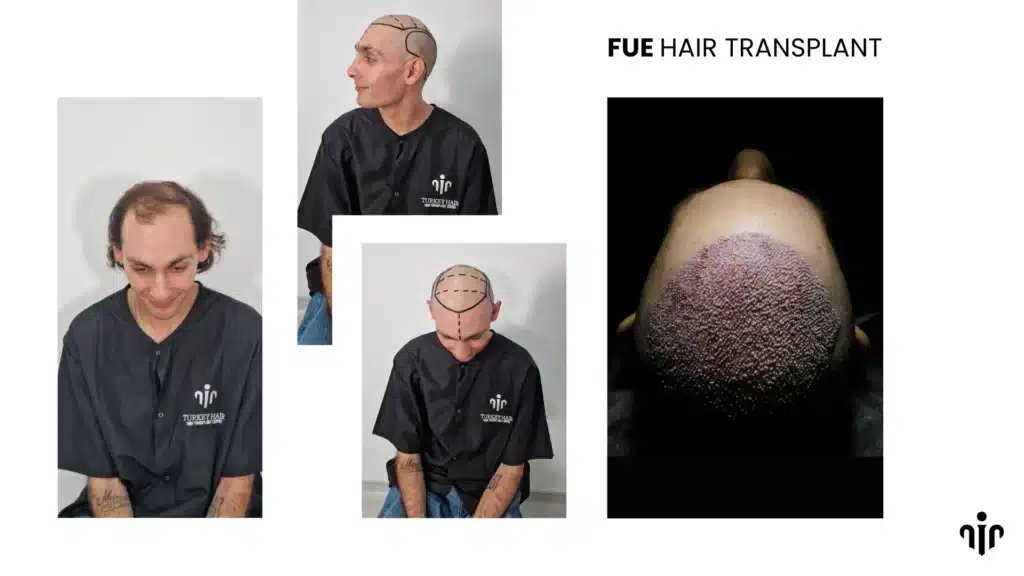
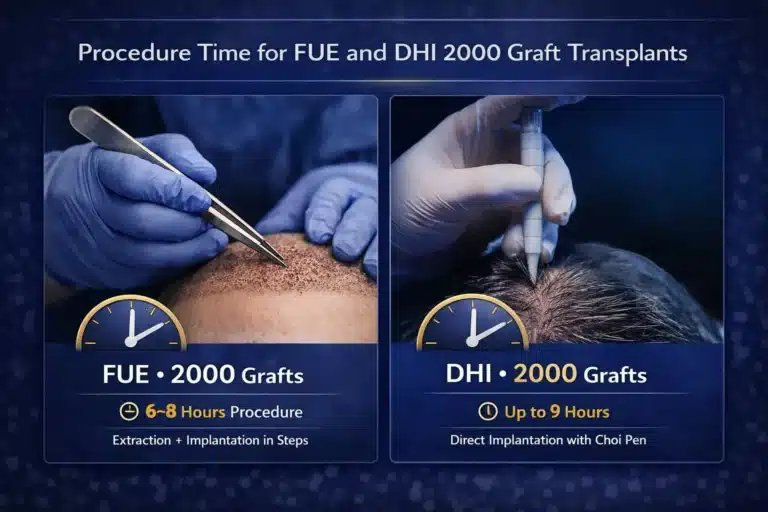
Modern approaches such as FUE involve removing individual follicular units, small natural groups of one to four hairs, and placing them where they are needed. Many patients experience redness and small crusts in the first days, shedding of transplanted hairs at around two to eight weeks, early growth from about three to four months, and a result that is usually assessed around twelve months.
Comparing providers carefully
When looking at options, it helps to ask who will perform each step of the procedure, what the medical team’s qualifications are, what aftercare is included, and how complications would be handled. Prices vary widely and depend on the number of grafts, the technique, and what is included, so asking for a written, itemised quote is sensible. Photographs should be labelled with the time since surgery and taken in comparable conditions.
For people travelling abroad for treatment, a few extra questions are worth adding. How long should they stay after the procedure before flying? Who checks the scalp in the days after surgery, and how can they reach the medical team once they are home? Is there a plan for follow-up reviews at the stages when growth is usually assessed? Clear, written answers to these points tend to be a better sign of a careful provider than polished marketing.
Giving the decision time
Many doctors encourage patients not to rush. Taking photographs of the scalp every few months, under the same light and from the same angles, can show whether loss is progressing and how quickly. Trying medical treatment first, where appropriate, can also clarify how much difference surgery would really add. A decision made after several months of observation is usually a more confident one than a decision made after a single viral news story.
Keeping Perspective
A transplant redistributes existing hair; it does not create new follicles, and it does not stop future loss in untreated areas. Results vary between individuals depending on hair texture, colour contrast with the skin, donor density, and how closely aftercare instructions are followed. Like any surgery, it carries possible side effects, and these should be discussed openly during consultation.
It is also worth remembering that choosing not to have surgery is a perfectly reasonable outcome. For some men, a well-chosen haircut or medical treatment alone is enough, and for others, the change simply stops bothering them once they understand it better.
Conclusion
Wayne Rooney’s openness helped make hair loss something men could talk about, while the ongoing speculation about Tom Brady shows how easily rumour fills a gap when there is no confirmation. The useful lesson from both is the same: base decisions on facts, not on photographs of famous people. Anyone thinking about treatment should take their time and speak with a qualified doctor about what is realistic for their own hair.