
The Role of Antenna Testing in Optimizing Radar System Accuracy
Radar systems are essential in many fields, from aviation and maritime navigation to weather monitoring and defense. The accuracy of these systems depends heavily on the performance of their antennas. Ensuring that an antenna functions correctly requires careful testing and evaluation. This is where antenna testing comes into play. Through proper testing, engineers can optimize radar system accuracy, improve signal quality, and ensure reliable operation in real-world conditions.
Understanding Antenna Testing
Antenna testing is the process of evaluating the performance of an antenna to ensure it meets the required standards. It involves checking various characteristics, such as signal strength, radiation pattern, gain, and efficiency. These factors determine how well a radar system can detect, track, and identify objects. Without proper antenna testing, radar systems may produce inaccurate readings, resulting in errors or missed detections.
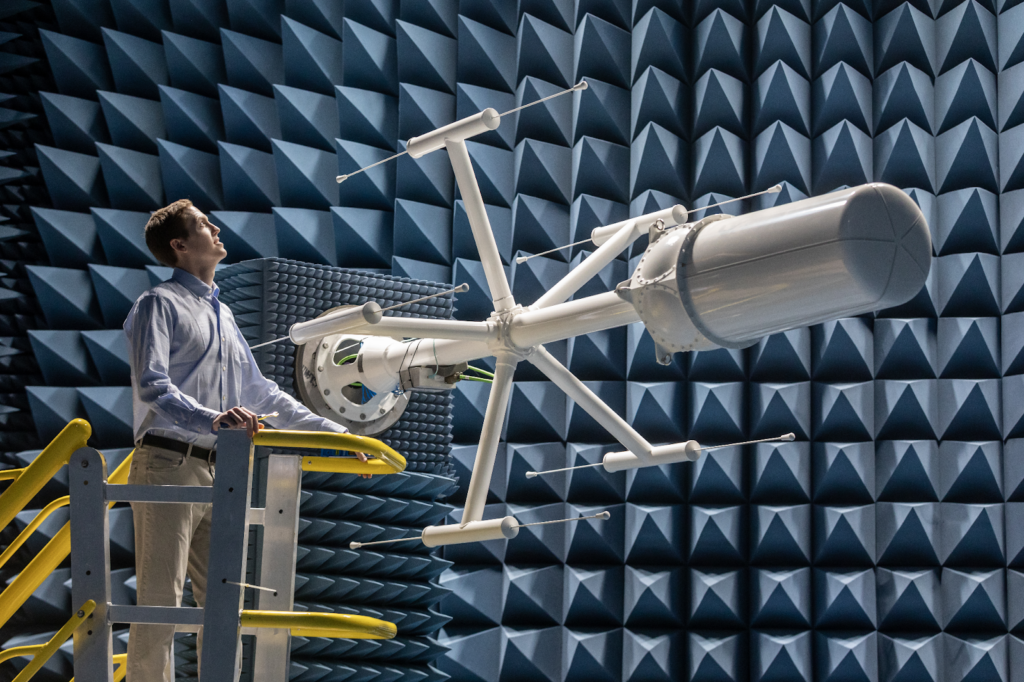
During an antenna test, engineers measure how the antenna transmits and receives electromagnetic waves. This is done in controlled environments, such as anechoic chambers, or in open-field tests where real-world conditions can be simulated. The data collected helps in identifying any design flaws or installation issues that could affect radar performance.
Importance of Accurate Antenna Performance
The performance of an antenna directly impacts the overall efficiency of a radar system. A poorly performing antenna can cause signal loss, weak detection, and reduced range. On the other hand, a well-tested and optimized antenna ensures that the radar system can accurately detect objects at the intended distances.
In applications like air traffic control or weather monitoring, even a small error in radar readings can have significant consequences. Therefore, regular antenna tests are crucial to maintain system reliability. These tests allow engineers to fine-tune the antenna design, adjust alignment, and correct any irregularities that may degrade signal quality.
Types of Antenna Tests
Several types of antenna tests are commonly used to assess radar systems. Radiation pattern tests measure how the antenna emits energy in different directions, ensuring the beam covers the required area. Gain and efficiency tests evaluate how effectively the antenna converts electrical power into radio waves and vice versa. Impedance and matching tests check that the antenna is correctly tuned to the radar system, minimizing signal reflection and loss.
Field tests are also important, as they replicate real operating conditions. These tests allow engineers to observe how the antenna performs when interacting with environmental factors such as obstacles, weather conditions, and interference from other signals. By combining lab and field testing, a comprehensive understanding of antenna performance can be achieved.
Improving Radar Accuracy Through Testing
Antenna testing plays a critical role in enhancing radar system accuracy. By identifying and correcting performance issues, testing ensures that radar signals are strong, clear, and reliable. This leads to better target detection, precise location tracking, and consistent performance in various operating conditions.
Testing also helps in optimizing antenna placement and orientation. Small adjustments in positioning can significantly affect radar accuracy. Engineers use test results to determine the best configuration, reducing errors caused by misalignment or signal interference.
The Future of Antenna Testing
As radar systems evolve, antenna testing techniques are also improving. Modern testing incorporates advanced measurement tools, computer simulations, and automated processes. These technologies allow for faster, more accurate assessments, helping engineers develop high-performance radar systems more efficiently.
Furthermore, the demand for compact and multifunctional antennas in modern radar applications has increased. Advanced antenna testing ensures that these complex designs maintain optimal performance without compromising accuracy or reliability.
Conclusion
Antenna testing is an essential step in optimizing radar system accuracy. By thoroughly evaluating antenna performance, engineers can enhance signal quality, improve detection capabilities, and ensure reliable operation in real-world conditions. From laboratory measurements to field tests, antenna testing provides the data needed to fine-tune radar systems and achieve consistent, precise results. In an era where radar systems play a vital role in safety, navigation, and defense, regular and detailed antenna tests are critical for maintaining performance and trust in these technologies.