
How to Train for Short Everest Base Camp Trek in 4 to 6 Weeks
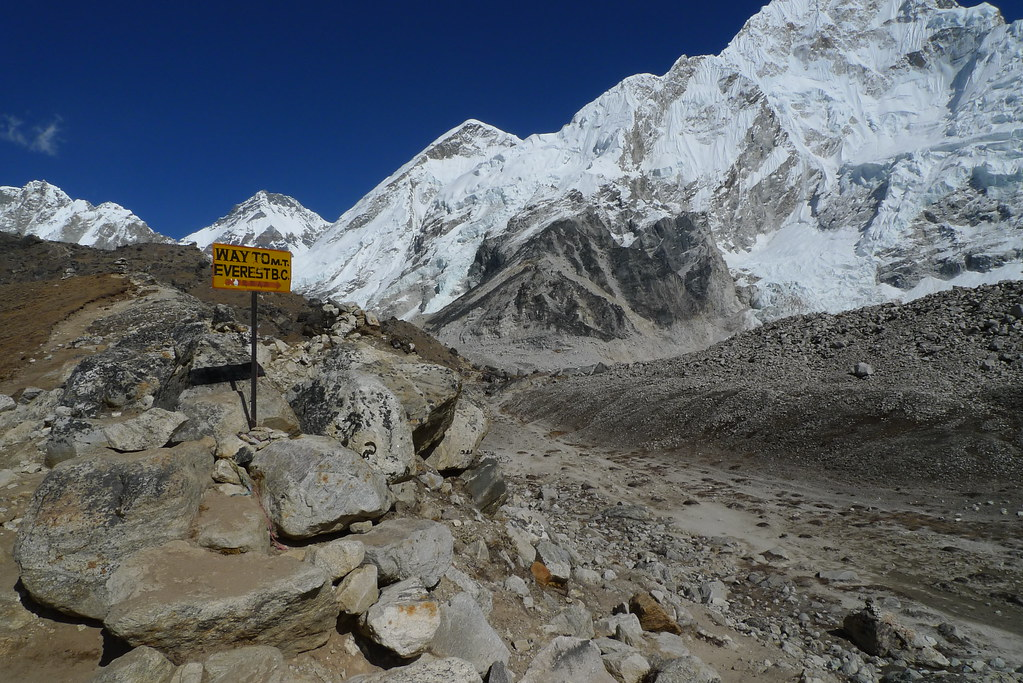
The short Everest Base Camp Trek is designed for travelers who have limited time but still want to experience the wonders of the Everest region. The trek is physically challenging despite the short duration of the itinerary because of high altitude, protracted walks and varied weather conditions. Proper preparation is necessary to ensure the journey is safe and comfortable.
Training for the Everest Base Camp trek can be completed in four to six weeks with a structured plan and consistent commitment. You do not need to be a sports person, but you should train to develop endurance, leg strength and fitness in general. It is also necessary to prepare mentally because trekking at high altitude may be both physically and mentally demanding.
This guide will give you the ideas on how to prepare your body and mind to a small trek to Everest Base Camp within a short time so that you come prepared and confident to the adventure.
Understanding the Physical Demands of the Short EBC Trek
Although the short Everest Base Camp trek is shorter in duration, it is often more demanding per day due to longer walking hours and limited acclimatization time.
The issue of altitude contributes greatly to the challenge of the trek. The higher you ascend, the thinner the air is and the harder it is to breathe and you become even more exhausted. This means that even normal walking feels more difficult than usual.Proper fitness preparation makes your body a little more flexible and minimizes the chance of altitude related issues.
Being aware of what your body will be facing, you will be in an improved position to train effectively and better expectations of the trek.
Cardiovascular Training for Endurance
The most significant exercise before going to Everest Base Camp is cardio training. Good cardiovascular fitness enables you to walk longer hours before being too tired and it also enables your body to utilize oxygen better at higher heights.
Good activities include brisk walking, jogging, cycling, stairs climbing and swimming. Attempt to train four to five days a week, with an increase in the duration and intensity. Begin with shorter durations and progressively increase to longer exercises that take forty five to sixty minutes.
Whenever possible, use uphill walking or climbing the stairs in your routine. This is a very similar way to trekking in the Everest region and it helps to prepare your lungs and heart for sustained effort.
Consistency is more important than intensity. Regular cardio training over the course of four to six weeks will do wonders to your stamina.
Strength Training for Trekking Trails
Strength training helps protect your joints and muscles on long trekking days. Strong legs and core muscles take some of the strain off your knees and lower back, especially when walking downhill.
Focus on exercises that target the lower body and the core. Simple movements such as squats, lunges, step ups, calf raises and planks are very effective. These exercises help enhance balance and stability, which is important on rocky mountain trails.
Try to do strength training two to three times a week. You do not need heavy weights. Body weight exercises are adequate if performed the right way and regularly.Stronger muscles will help you maintain a good posture, carry your daypack comfortably and recover faster after each day of trekking.
Training with a Backpack
Many trekkers do not take training with a backpack seriously. During the Everest Base Camp trek, you will be carrying a small pack for the day with water, snacks, warm layers, and personal items.
Practice walking with your loaded backpack during your training walks. Start light and gradually add up to what you think you will be carrying on the trek. This aids your shoulders, back and hips to adapt to the additional weight.
A backpack will also balance you as well as prepare you to walk all day long on rocky ground.Training with a backpack also helps you balance as well as prepares you for long walking days on uneven terrain.
Flexibility and Recovery
Flexibility training is often neglected but plays an important role in trek preparation. Stretching prevents muscle stiffness and the risk of injury.
Spend ten to fifteen minutes stretching after every workout. Focus on calves, hamstrings, quadriceps, hips and lower back. Gentle yoga or mobility exercises may also help a lot.
Rest days are just as important as training days. You must give your body time to heal and re-acclimatize. And make sure that you take one or two days off per week to prevent overtraining and fatigue. With the right recovery, your muscles will be able to recover and also get strong and also maintains a high level of motivation in your whole preparation period.
Mental Preparation for the Trek
The mental fitness is as vital as the physical fitness in the Everest Base Camp Trek. The route can be tiring, the weather unpredictable and the landscape difficult particularly on the longer walk days. Being in a relaxed and positive mind allows you to cope with the discomfort and make the experience more enjoyable.
Mental preparation helps you stay calm and positive when challenges arise. Be patient in the training process and learn that improvement is a process. Visualizing the trek and imagining yourself walking at a steady pace can build confidence and reduce anxiety. This mind training will help to overcome hard times without feeling stressed.
It is also much better to realize that the trek is not a race itself but you must enjoy the journey and not hurry to get to the destination. When you embrace the speed of the mountains, you enable yourself to enjoy the view, culture and personal success on the journey.
Acclimatization Awareness
Even though training cannot completely prepare your body to the altitude, fitness aids you to adjust to it more. Powerful lungs and endurance give your body better ability to utilize oxygen better at higher levels. Visualizing the trek and imagining yourself walking at a steady pace can build confidence and reduce anxiety.
During the walk, you will have to listen to your guide, move slowly and adhere to correct acclimatization timetables. Fitness aids in acclimatization, which is not its replacement. You should be sensitive to your body indications like headaches, dizziness or abnormal tiredness. Resting early and descending when necessary can help prevent minor symptoms from becoming serious problems.
Nutrition and Hydration before the Trek
Proper nutrition facilitates proper training and recovery. Eat moderate meals that contain carbohydrates that supply energy, proteins that repair muscles, and healthy fats that support good health. A body that is well fuelled can train better and also adapt to physical stress less.
It is equally important to drink water as to eat. Consumption of water in a lot of water throughout the day particularly during training. Adequate hydration enhances stamina and is useful in enabling your body to work effectively. Hydration enhances the process of acclimatization and could reduce the effects of altitude-related discomfort, although it does not prevent the occurrence of the altitude sickness.
Reduce alcohol consumption and choose healthy food within a few weeks before the trek. The immunity that you will maintain before your trip to the Himalayas will help you to gain strength through easy, healthy food.
Sample Weekly Training Design
This is a weekly plan that is simple and will help you stay focused during your four to six weeks preparation. Aim at a healthy combination of cardio, strength training, flexibility, and rest. It will be more comfortable to be consistent and motivated with a strong structure.
You can have three or four cardio workouts, two strength training sessions, one or two longer walks with your backpack and one or two days of rest per week. Modify the plan according to your current fitness level and how your body feels. It is necessary to listen to your body, and you can make small steps to guarantee a consistent progress with no injury.
Final Thoughts on Short Everest Base Camp Trek Training
Training for the short Everest Base Camp trek in four to six weeks is possible with commitment and good planning. You need not be a person who does extreme workouts, but you do need consistency and focus.
By improving your endurance, building leg strength, doing a practice run with a backpack and doing some mental preparation, you greatly increase your chances of enjoying the trek. Good preparation enables you to concentrate on the beautiful landscapes, local culture and individual achievement versus physical discomfort.
With the right training approach, a short Everest Base Camp trek can be a rewarding and memorable Himalayan adventure.