
How Septic Services Protect Local Groundwater and Community Health
Understanding Septic Services: A Preliminary Overview
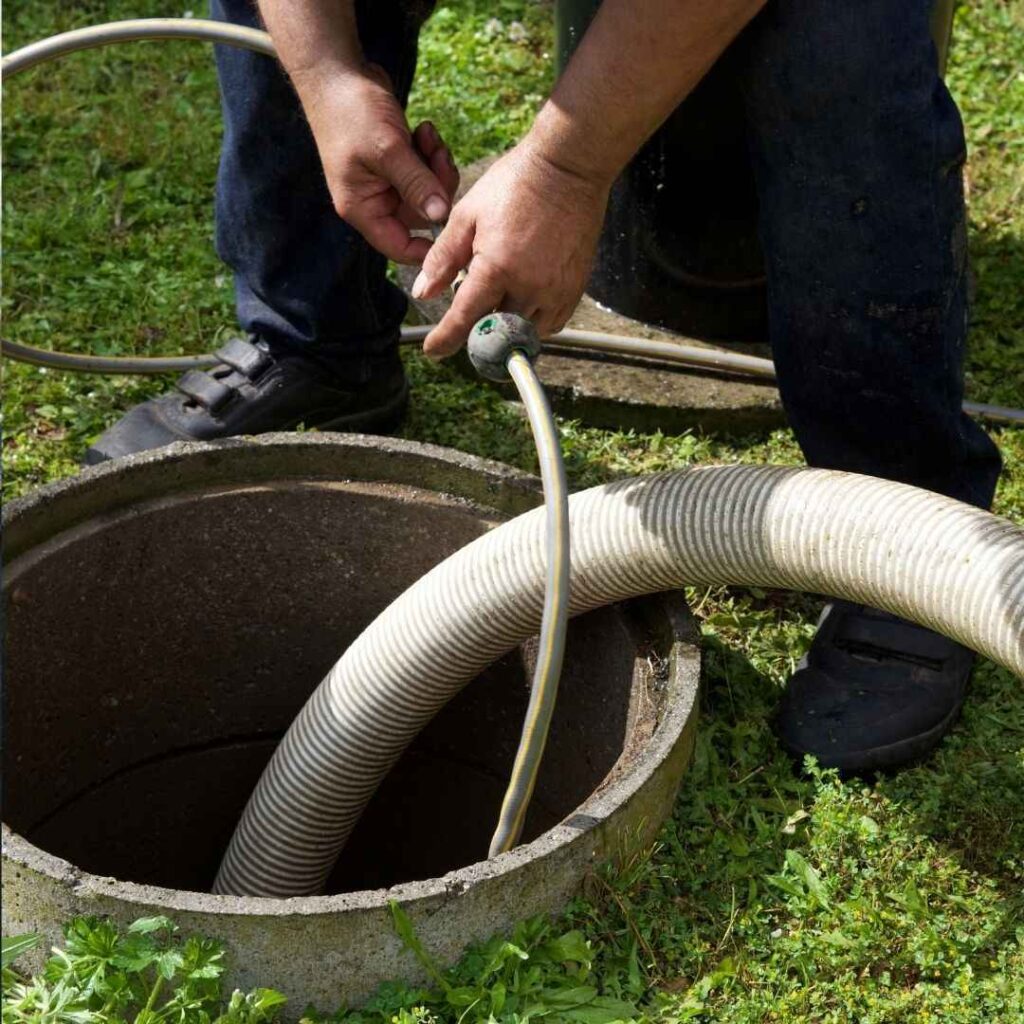
Septic services encapsulate a variety of tasks aimed at maintaining and managing septic systems within residential, commercial, and community environments. This typically includes activities like routine inspection, cleaning and pumping of septic tanks, repair or replacement of damaged components, and in some cases, full-scale installation of new systems. Further to this, septic service providers are often charged with the responsibility of educating homeowners about the importance of regular maintenance and best practices to help extend the lifespan of their respective systems.
These services have a pivotal role in ensuring that these underground wastewater treatment structures operate optimally. By effectively managing waste disposal from our homes and businesses into these systems, septic services play a key role in safeguarding public health and preserving environmental sustainability.
Given their specialty and expertise level, septic service providers are equipped to tackle complex problems relating to system clogs or leaks which, if left unresolved, could result in severe property damage or even pose serious health risks due to contamination. Therefore, investing in professional septic services is not only a prudent decision for property management but also an essential commitment towards community wellbeing.
The Significance of Septic Services for Community Health
In any organized society or residential setting where public sewer lines are non-existent or impracticable to install, such as rural areas, the reliance on individual septic systems is inevitable. This makes effective septic services indispensable for such communities. Regular maintenance not only ensures proper functionality of these onsite sewage facilities but, more importantly, prevents potential public health crises caused by untreated wastewater overflowing into nearby surroundings.
Beyond the immediate environment around residences or business premises that utilize these systems, well-managed septic services directly influence broader aspects like the quality of local water sources as well as general public health standards within such locales. They help contain harmful bacteria, viruses, and chemicals within the septic system itself that could otherwise permeate into the surrounding soil and water table if left unchecked.
Proper management of these services thus becomes an imperative in preserving community health. By extension, ensuring that every household or business entity adheres to recommended septic maintenance schedules is an important public health policy strategy for municipal or local administration authorities.
Sealing the Link: Septic Services and Groundwater Protection
The correlation between effective septic services and groundwater protection is both direct and critical. Septic systems are designed to rid wastewater of harmful pathogens before safe dispersal into the environment—a process that hinges on sound operation and regular maintenance of these systems.
A well-maintained septic system ensures that only adequately treated wastewater infiltrates back into the ground, thereby protecting groundwater resources from contamination. This is particularly crucial given that a significant number of households depend on wells tapping into these resources as their primary source for drinking water.
Professional septic services therefore play a frontline role in safeguarding our precious groundwater supplies by ensuring consistent integrity of these onsite sewage facilities. In essence, through routine inspection, timely repairs, efficient pumping out of waste materials, among other activities, they ensure our septic systems work as they should: safe storage, treatment, and disposal channels for domestic wastewater away from our valuable water resources.
Delving Into the Concept of Septic Systems
At its most fundamental level, a septic system is an independent, underground wastewater treatment structure. Designed for residential settings that are not connected to municipal sewer lines, these systems efficiently manage and treat household waste.
The principal function of a septic system is to provide an arena where organic domestic waste is decomposed and drained. This pragmatic solution enables homeowners to deal with waste in an eco-friendly manner on their premises, contributing to the broader objective of public health maintenance.
The septic system serves as an essential facilitator in maintaining sanitation standards at household levels. It operates on simple yet efficient principles of physics, chemistry, and biology to process millions of gallons of wastewater daily across the globe.
By ensuring that harmful substances do not enter our environment untreated, septic systems play a significant role in safeguarding both community health and environmental integrity. The relevance and significance of septic systems extend beyond their immediate utility.
Diligently engaging with these mechanisms can foster awareness about water conservation strategies and inspire more sustainable consumption habits amongst individuals. Thus, understanding how this seemingly mundane system functions can unlock nuanced insights about environmental stewardship at both individual and collective levels.
A Closer Look: Components of Septic Systems
Moving from the abstract definition to more concrete aspects, let’s demystify the key components that make up a typical septic system: the tank, drain field (also known as leach field or disposal field), and soil. The first element we encounter is the tank itself—usually made from concrete or fiberglass—which holds all incoming wastewater from household sources like bathrooms, kitchen sinks, etc.
It’s essentially a holding cell where solids settle out from liquids thanks to gravity. The second element is the drain field, which receives liquid effluent from the tank. The primary purpose of this component is to further treat the wastewater by allowing it to slowly trickle from pipes out into gravel trenches and then down through soil, which acts as a natural filter. The final component is the soil.
Its significance cannot be overstated as it provides the last line of defense against contaminants. The layers of soil beneath a drain field are capable of removing harmful bacteria, viruses, and nutrients that might still be present in the wastewater before it eventually reaches groundwater or surface water sources.
Process Dynamics: How Septic Systems Work
Now that we’ve investigated what septic systems are made up of, let’s delve into their operational mechanics—specifically their waste treatment process, which underscores their indispensable role in maintaining public health. The journey begins when wastewater from various household sources flows into the septic tank, where solids sink to form sludge while fats and oils float, forming scum.
The middle layer consists of clarified liquid effluent—which, with time, flows out into the drain field for further processing. Once this liquid effluent reaches the drain field, it percolates down through several layers of gravel and soil. This journey through various strata serves a filtering and cleansing function—each layer playing its part in removing remaining impurities before allowing this treated water to merge back with groundwater sources.
In essence, septic systems leverage principles from biology (microbial digestion), gravity (for settling solids), and geology (soil filtration) in an automated way to provide an efficient solution for waste management at household levels across suburban and rural landscapes worldwide.
The Role of Septic Services in Maintaining Septic Systems
Maintaining System Health Through Regular Inspection and Pumping
The frequency and quality of inspection and pumping play an integral role in the efficacy and longevity of septic systems. Regular inspection, often performed annually, is critical for identifying potential issues before they escalate into costly repairs or system failures.
Inspections can reveal a collection of findings, including the level of scum and sludge, condition of baffles or tees, liquid levels in relation to outlet pipes, and any signs of backup around drain fields. Periodic pumping is another crucial aspect of septic system maintenance. This process involves removing the layer of solids that accumulate at the bottom of the tank over time. If not pumped out regularly—typically once every three to five years depending on usage and tank size—these solids can overflow into the drain field. This causes blockages and potentially irreversible damage to soil percolation capabilities.
By ensuring systematic adherence to a scheduled regimen for inspection and pumping, septic services help maintain system efficiency while prolonging its lifespan.
Prompt Repairing or Replacing Damaged Components: Mitigating Future Issues
A key determinant in adequate septic system function lies within its components’ operational status. Septic services frequently assess vital elements such as tanks, distribution boxes, pumps, flow dividers, inlet/outlet tees, or baffles, among others, for any structural integrity concerns. If any part is found compromised due to corrosion or wear-and-tear effects like cracking or root intrusion, immediate repair becomes imperative. Left unattended, these could potentially cause untreated waste discharge into the environment, risking ecological balance and community health.
In instances where repair may not rectify an issue completely or be cost-effective long-term, replacement proves a viable alternative. Septic services possess the expertise to guide homeowners on these crucial decisions, greatly influencing system performance.
Homeowner Education: Empowering Through Information
While professional septic services are essential in maintaining the integrity of a functioning system, the homeowner’s role cannot be understated. Understanding the basics about septic system structure, operation, common issues, and signs of failure empowers homeowners with agency over their systems’ state. Septic services often undertake the mantle of educating clients about best practices in daily usage, preventing undue strain on the system, like avoiding disposal of non-degradable materials down drains or limiting water usage.
They also advise on recognizing early signs of malfunction, such as slow drain field percolation or unusual yard wetness, potentially averting catastrophic failures. The combination of homeowner vigilance bolstered by professional support from septic services creates a holistic approach to system maintenance, mitigating risks and extending operational lifespan.
Impact of Septic Systems on Groundwater Quality
The Potential for Contamination from Poorly Maintained Systems
The connection between irresponsible septic system maintenance and groundwater contamination is undeniable. Neglecting proper upkeep results in system failure, leading to the overflow or leakage of untreated waste into the surrounding environment. This untreated effluent is replete with harmful bacteria, viruses, and other pathogens that pose a serious threat to human health.
In addition to biological contaminants, septic systems can also release chemical pollutants into the soil and groundwater. These include high levels of nitrates and phosphates emanating from household detergents and cleaning products. Elevated levels of nitrates in drinking water can be especially detrimental for infants under six months, potentially causing blue baby syndrome—a condition marked by decreased oxygen in the blood. Furthermore, failed septic systems commonly exude heavy metals such as zinc, copper, and cadmium—long-term exposure to these elements via contaminated water can lead to chronic health issues such as kidney damage or bone disease.
Pathways: How Contaminants Reach Groundwater
When functioning optimally, a well-designed septic system will safely transform wastewater into effluent that is harmlessly absorbed by the soil in the drain field. However, when neglected or improperly maintained, there are several potential avenues through which contaminants may infiltrate our precious groundwater reserves. Damaged or clogged drain fields may cause wastewater overflow on the ground’s surface—a visible sign of trouble. Alternatively, wastewater might percolate too rapidly through excessively permeable soil before being adequately treated by beneficial microbes; this could result in unprocessed pollutants reaching groundwater directly beneath the drain field. A further contamination route is lateral movement through subterranean channels or even directly into surface bodies of water such as streams or lakes. This can occur when the soil is unable to fully adsorb the quantity of effluent produced, a common issue in systems with high usage rates or those installed in areas with high water tables.
The Critical Role of Soil in Filtering Contaminants
Soil acts as nature’s consummate filter, playing an indispensable role in maintaining the integrity of our groundwater. It houses a bustling microbiome that aids in breaking down harmful bacteria and viruses present in wastewater, thereby minimizing their potential for causing disease. In addition to its biological purifying capacity, soil also retains certain contaminants through adsorption—a process where substances adhere to soil particles. This includes phosphates and heavy metals which are captured within the soil matrix, preventing them from leaching into groundwater. However, it’s crucial to understand that this filtration process relies on appropriate soil conditions and sufficient time for treatment.
If wastewater travels too rapidly through sandy or gravelly soils, or if the volume exceeds the system’s capacity, effective filtration may be compromised. Likewise, clay soils may filter effluent too slowly or ineffectively treat certain pollutants—underscoring again the importance of proper septic system design and regular maintenance.
How Septic Services Protect Groundwater
Maintaining System Integrity to Avert Leaks
The first line of defense in groundwater protection is maintaining the integrity of the septic system. When a system is in proper working order, it efficiently treats and disposes of waste, preventing contamination from breaching its confines. Septic services play an indispensable role in this process by regularly inspecting these systems, ensuring everything from the tank to the drain field is functioning optimally.
Through comprehensive assessments, potential problems such as cracks or corrosion within the tank can be identified early before they escalate into significant issues like leaks. A leaky septic system can potentially discharge untreated wastewater into the surrounding soil and eventually infiltrate groundwater reserves. Thus, through routine inspections and timely interventions, septic services ensure that such detrimental incidences are circumvented. Moreover, it is not only about detecting faults but also about fixing them.
Once identified during inspections, problematic components are promptly repaired or replaced as required. This diligence helps maintain a robust septic system that stands little chance of leaking and consequently endangering our precious groundwater resources.
Sludge Management to Forestall Overflow
In addition to promoting structural robustness, another cornerstone function performed by septic services lies in managing waste accumulation within the tanks. Over time, solid waste forms a sludge layer at the bottom of a tank which if not removed periodically can cause overflow issues. An overflowing septic system poses significant risks to groundwater as untreated wastewater could bypass proper filtration channels and reach this crucial resource directly. Professional septic services prevent this scenario by performing regular pumping operations to remove accumulated sludge hence forestalling any chances for overflow.
This sludge removal exercise not only precludes overflow but also enhances overall system performance by ensuring optimal capacity utilization within the tank. Consequently, the system can treat waste more efficiently, reducing any chances of accidental discharge that could lead to groundwater contamination.
Repairing Damaged Components to Circumscribe Contaminant Ingress
Like any other complex system, individual components of a septic system can fail or become less effective over time. This deterioration could provide an avenue for contaminants to enter the soil and eventually percolate into groundwater reserves. Septic services mitigate this risk through periodic maintenance checks aimed at identifying such damaged components and promptly effectuating repairs or replacements as necessary. Septic experts pay keen attention to all parts of the systems, including pipes, seals, and filtering layers that keep contaminants confined within defined boundaries.
By meticulously maintaining every part of a septic system in pristine condition, these professionals ensure that our groundwater remains safe from potential contamination sources inherent in wastewater treatment processes. Thus, it is evident how integral septic services are in safeguarding not only our water resources but also community health at large.
The Lifeblood of Communities: Groundwater’s Essential Role
Groundwater underpins many facets of our daily lives, its value and importance far outstretching the attention it often garners. Beyond serving as a primary source for drinking water, it supports diverse ecosystems, contributes to agricultural productivity through irrigation, and maintains the flow of rivers and streams during dry periods. Clean groundwater is not a luxury; it is an exigency. The World Health Organization delineates safe drinking water as a prerequisite for health and integral to improving living standards.
However, its role goes beyond direct consumption. Groundwater feeds into our food chain through irrigation – every morsel that reaches our table carries with it the story of the water that nurtured its growth. Furthermore, industries ranging from power plants to breweries rely heavily on this unseen resource. A compromise in water quality can result in operational hitches or even jeopardize public safety in these critical sectors.
“A Drop of Prevention…”: Understanding Health Risks from Contaminated Groundwater
Septic system malfunctions or failures can contaminate groundwater with disease-causing pathogens and detrimental chemicals, posing serious health perils at both individual and community levels. The insidious nature of groundwater contamination makes these risks even more daunting – one may be consuming contaminated water unknowingly until adverse health effects become evident. Gastrointestinal illnesses are among the most common afflictions arising from polluted groundwater. Pathogenic bacteria like E. coli or viruses such as Norovirus can infiltrate aquifers through faulty septic systems, resulting in bouts of diarrhea, vomiting, or more severe conditions upon consumption. Equally alarming is the risk posed by viral Hepatitis – specifically Hepatitis A and E – which are known to be transmitted by ingestion of contaminated water or food.
Chronic exposure to certain contaminants like nitrates has also been linked with Methemoglobinemia (Blue Baby Syndrome) in infants, while the presence of toxic chemicals like arsenic raises concerns about long-term effects including cancer. Each of these health risks underscores the grim reality that a single misstep in managing septic services can have far-reaching consequences. As we quench our thirst with a glass of water or savor our meals, it is incumbent upon us to ensure that these simple acts do not become a gateway to illness. Groundwater protection isn’t merely an environmental obligation – it’s a pact we make for our collective well-being.
Case Studies: Communities Benefiting from Effective Septic Services
The Positive Impact of Effective Septic Management
The potential for profound and positive change through effective septic management is not mere conjecture but has been vividly illustrated through several case studies. One exceptional instance lies within the bucolic town of Easton, Massachusetts. Several years prior, the town was grappling with a sharply declining groundwater quality due to dated and neglected septic systems. After implementing a strict inspection protocol along with regular maintenance services, Easton saw a significant improvement in their groundwater samples within a couple of years. The services not only corrected malfunctioning systems but also educated homeowners about their crucial role in maintaining their septic systems.
Another noteworthy example comes from the coastal region of Monterey County, California. In an area where freshwater is scarce and largely dependent on local wells, efficient septic management became paramount. County officials launched an initiative that offered free inspection and pumping services for homeowners with old or under-serviced septic systems. The result was astounding—an overall reduction in nitrates in the water table was observed within just 18 months of starting the program.
Even more compelling is the story coming out from rural areas in Kenya’s Rift Valley Province where lack of sanitation facilities posed major health risks to local communities. Introduction of simple, maintainable septic systems transformed not only health outcomes by reducing instances of waterborne diseases but also improved social conditions by providing private sanitation facilities.
The Consequences of Neglected Septic Services
However, when proper septic services are neglected or absent altogether, dire consequences can follow as seen in some communities around the world. Flint, Michigan is one such example that has become infamous for its water crisis that started in 2014 due to severely corroded pipes leading to lead contamination and posing significant health risks including developmental issues in children. In another instance, a small community in Nova Scotia, Canada faced the grim reality of groundwater contamination due to poorly maintained septic systems. With sewage seeping into the ground and eventually into their wells, residents suffered from gastrointestinal illnesses until local health authorities intervened.
A similar predicament was observed in a densely populated neighborhood in Manila, Philippines. In this urban setting where housing is closely packed and proper sanitation facilities are scarce, a cholera outbreak was traced back to cross-contamination from faulty septic systems. The lack of regular septic services coupled with inadequate understanding of maintaining personal systems led to this preventable public health disaster. These examples underscore the importance of effective management of septic services. Maintenance and understanding are key components that when neglected can lead to devastating effects but when implemented correctly can significantly enhance community health and wellbeing.
Best Practices for Homeowners and Community Leaders
Preserving Septic Health: Maintenance Schedules
One of the most efficacious steps homeowners can take to safeguard both their septic systems and local groundwater is adhering to a regular maintenance schedule. Generally, a septic system should be inspected by a professional every 1-3 years, depending on usage and the specific characteristics of the system and household size. More specifically, conventional systems with drain fields should undergo inspection annually, alternately inspecting the tank one year and the field on subsequent years. For more complex systems such as those incorporating electrical float switches, pumps, or mechanical components, bi-annual inspections may be required due to an increased potential for malfunctions.
Pumping out your septic tank is another crucial aspect of maintaining its health; typically, this operation is necessary every 3-5 years depending on usage. Remember that neglecting these services can lead to catastrophic failure of your system, resulting not just in costly repairs but also posing significant threats to local groundwater.
Recognizing Red Flags: Signs Your System May Need Service
In addition to routine maintenance checks from professionals, homeowners need to stay vigilant for signs that their septic system may require service. Effluent surfacing over your drain field or unusually lush vegetation in that area during dry periods can indicate trouble brewing beneath ground level. Other alarming indications include slow draining toilets or drains within your house. Furthermore, odors serve as an immediate warning signal of possible failure; if you detect sewage smells in your home or yard, it’s prudent to arrange for an inspection immediately.
Also remember that even seemingly minor issues like gurgling sounds in plumbing fixtures could signify major problems with your septic system’s functionality. Awareness about such telltale signs will allow timely intervention before small issues snowball into expensive repairs or irrevocable groundwater contamination.
Conclusion
The role of septic services in protecting our groundwater resources and hence our community health is undeniable. By adhering to recommended maintenance schedules and being heedful of the signs indicating potential issues, homeowners can make sure they are not only safeguarding their own property but also shielding their community’s resources. This forms an integral part of the collective responsibility each one of us holds towards environmental conservation and public health. With this knowledge at hand, we have the power to keep our communities safe and healthy, ensuring that clean groundwater – a life-sustaining resource – remains unpolluted for generations to come.
UKDP Solutions – The UK Drainage Professionals