
How Modern Roofing Solutions Improve Home Durability and Efficiency
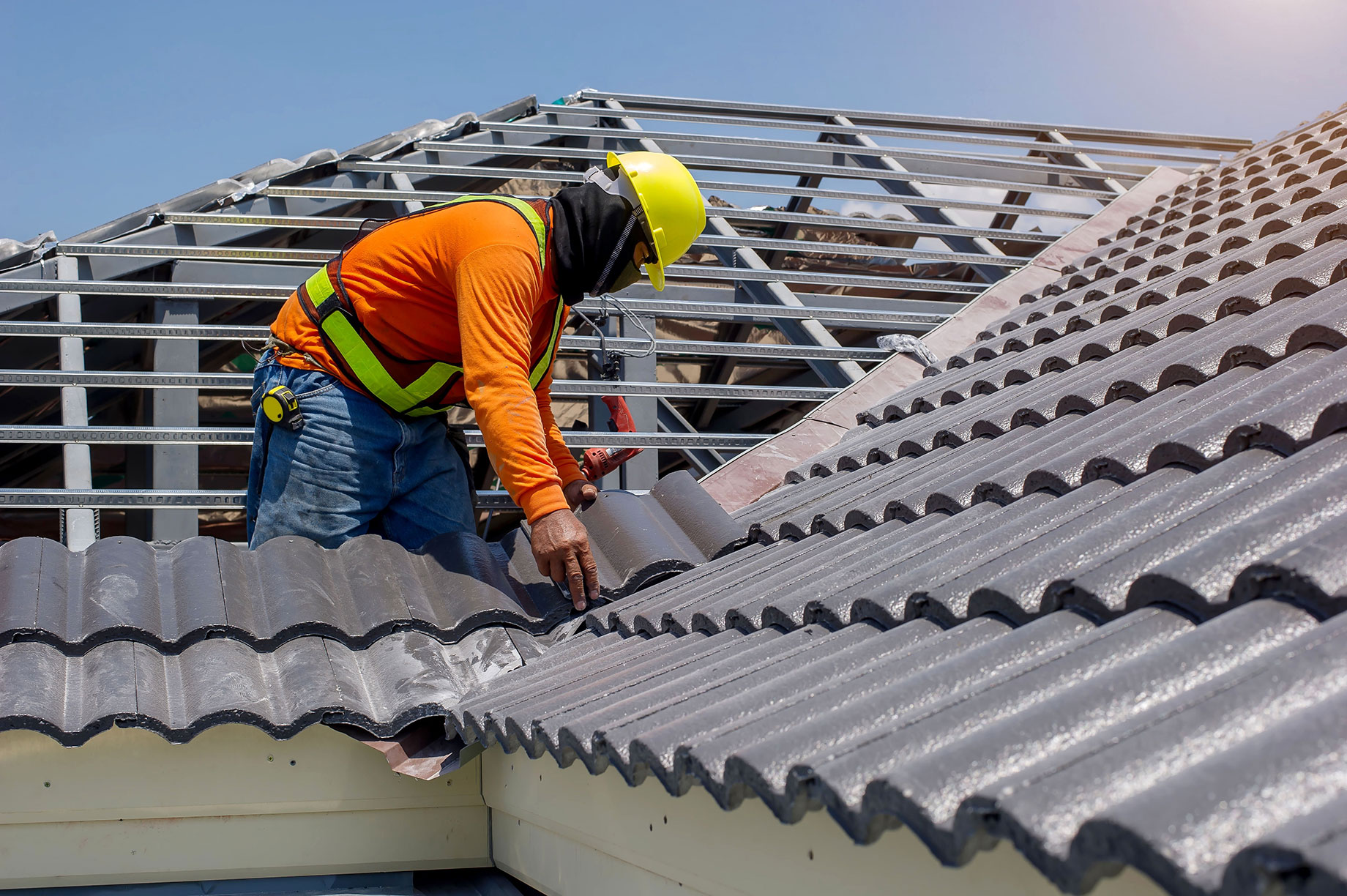
When homeowners think about protecting their property, the roof should always be a top priority. A dependable roofing system does far more than shield a home from rain or sunlight. It contributes to energy efficiency, structural integrity, indoor comfort, and long-term property value.
As roofing technology and installation methods continue to evolve, homeowners now have more options than ever before. Modern roofing systems are designed to handle changing weather conditions, improve ventilation, and provide longer-lasting performance. Understanding how these systems work can help homeowners make smarter decisions when planning repairs, upgrades, or full roof replacements.
The Roof’s Role in Overall Home Protection
A roof serves as the primary barrier between a home and the outside environment. Every season places stress on roofing materials, whether through high temperatures, heavy rain, strong winds, or moisture buildup.
Without proper protection, even minor roofing problems can affect other parts of the property. Water intrusion may damage insulation, ceilings, drywall, and wood framing. Over time, this can lead to expensive repairs that extend well beyond the roof itself.
Modern roofing systems are designed to reduce these risks by combining durable materials with improved installation techniques. Features such as upgraded underlayment, better flashing systems, and improved ventilation all help strengthen long-term roof performance.
Homeowners who invest in roofing quality often benefit from:
- Better resistance to weather damage
- Improved indoor temperature regulation
- Lower maintenance costs over time
- Increased property value
- Longer roofing lifespan
- Reduced risk of leaks and moisture issues
These advantages make roofing one of the most valuable long-term investments for residential properties.
Why Proper Installation Is Essential
Even high-quality roofing materials can fail prematurely if they are installed incorrectly. Proper installation is one of the most important factors influencing how long a roof will last.
Incorrect flashing placement, poor ventilation design, or improperly secured shingles can create vulnerabilities that allow moisture and air intrusion. Unfortunately, some installation problems may not become obvious until years later.
Professional roofing contractors typically follow detailed installation procedures to ensure each component functions properly within the roofing system. This includes evaluating structural support, attic ventilation, drainage performance, and weatherproofing techniques.
Homeowners searching for thebest roofing company San Antonio property owners rely on often prioritize contractors with strong installation experience, attention to detail, and familiarity with local climate conditions.
Common Factors That Shorten Roof Lifespan
Many roofing systems fail earlier than expected because of preventable issues. Understanding these factors can help homeowners take a more proactive approach to roof maintenance.
Lack of Routine Inspections
Small roofing problems rarely stay small for long. Cracked shingles, damaged flashing, or blocked gutters can gradually worsen if left untreated.
Routine inspections help identify these issues early before they spread.
Poor Ventilation
Attic ventilation plays a major role in roof performance. Without proper airflow, heat and moisture can accumulate beneath the roof surface.
Over time, trapped heat may damage shingles while excess moisture can contribute to mold growth and wood rot.
Storm Damage
Heavy rain, hail, and strong winds can weaken roofing systems significantly. Some forms of storm damage are difficult to detect from the ground, making professional inspections especially important after severe weather.
Aging Materials
Every roofing material has a limited lifespan. As roofs age, shingles may become brittle, sealants may crack, and protective coatings can deteriorate.
Homeowners who monitor aging materials closely are often better prepared to plan maintenance or replacement projects before major issues arise.
The Connection Between Roofing and Energy Efficiency
Roofing systems influence more than weather protection alone. They also affect how efficiently a home manages indoor temperatures.
A poorly ventilated or damaged roof can allow excessive heat transfer, forcing heating and cooling systems to work harder. This often results in inconsistent indoor comfort and higher utility costs.
Modern roofing systems frequently incorporate energy-efficient features such as reflective shingles, improved insulation support, and enhanced ventilation systems.
Some benefits of energy-conscious roofing design include:
- Reduced attic heat buildup
- Improved indoor temperature consistency
- Lower strain on HVAC systems
- Potential energy savings over time
- Better moisture management
While energy performance depends on several factors, roofing improvements can contribute meaningfully to a home’s overall efficiency.
Signs a Roof May Need Professional Attention
Homeowners do not always need to climb onto the roof to identify potential concerns. Several warning signs inside and outside the home may indicate roofing problems.
Ceiling Stains or Discoloration
Brown spots or peeling paint on ceilings often suggest moisture intrusion from above.
Missing or Curled Shingles
Visible shingle damage can leave the roof vulnerable to leaks and additional weather exposure.
Excessive Granules in Gutters
Granule loss may indicate that shingles are deteriorating and nearing the end of their lifespan.
Sagging Roof Sections
A sagging roofline could point to trapped moisture or structural weakening.
Higher Utility Bills
Unexpected increases in heating or cooling costs may sometimes be linked to ventilation or insulation problems connected to the roof.
Recognizing these warning signs early allows homeowners to schedule inspections before larger repairs become necessary.
How Preventative Maintenance Protects Homeowners
Preventative roof maintenance is often far more affordable than emergency repairs. By addressing small issues promptly, homeowners can avoid larger structural problems and extend the lifespan of the roof.
A preventative maintenance plan may include:
- Annual roof inspections
- Gutter cleaning and drainage checks
- Minor shingle repairs
- Flashing inspections around vents and chimneys
- Attic ventilation evaluations
- Post-storm inspections
These maintenance efforts help reduce the risk of water intrusion and support long-term roofing performance.
Preventative care also provides homeowners with greater peace of mind during severe weather seasons.
Choosing the Right Roofing Professional
Selecting a roofing contractor is an important decision that affects both short-term project quality and long-term roof performance.
Rather than focusing only on price, homeowners should evaluate contractors based on:
- Experience and expertise
- Licensing and insurance
- Local reputation
- Communication and transparency
- Quality of materials used
- Warranty coverage
- Inspection and maintenance services
Reliable contractors typically provide detailed explanations and realistic recommendations without unnecessary pressure.
Working with experienced professionals can also help homeowners better understand the condition of their current roof and plan future maintenance effectively.
Conclusion
Modern roofing systems play a vital role in protecting homes, improving efficiency, and supporting long-term property value. While many homeowners focus primarily on appearance, the true value of a roof lies in its ability to withstand environmental stress and prevent costly structural damage.
By investing in proper installation, regular maintenance, and quality materials, homeowners can improve both the performance and lifespan of their roofing systems. Proactive care today often prevents far more expensive repairs tomorrow, making roofing one of the smartest long-term investments a homeowner can make.