The Best Garage Door Brands on the Market
Elevating Your Property with the Right Garage Door
Your garage door is practically the face of your home. It often takes up a massive portion of your exterior facade, meaning that if it looks worn out, your entire property loses its charm. For business owners, that same door is the gatekeeper to daily operations. A broken or outdated panel on a warehouse or loading dock can bring productivity to a grinding halt. Replacing an old, creaky system is an exciting upgrade, but staring at a catalog of hundreds of panel designs can quickly make your eyes glaze over. Fortunately, knowing which manufacturers consistently deliver on quality, style, and durability can make your decision infinitely easier. Let us dive into the heavy hitters of the industry and explore what makes them stand out from the crowd.
The Reigning Champions of Curb Appeal
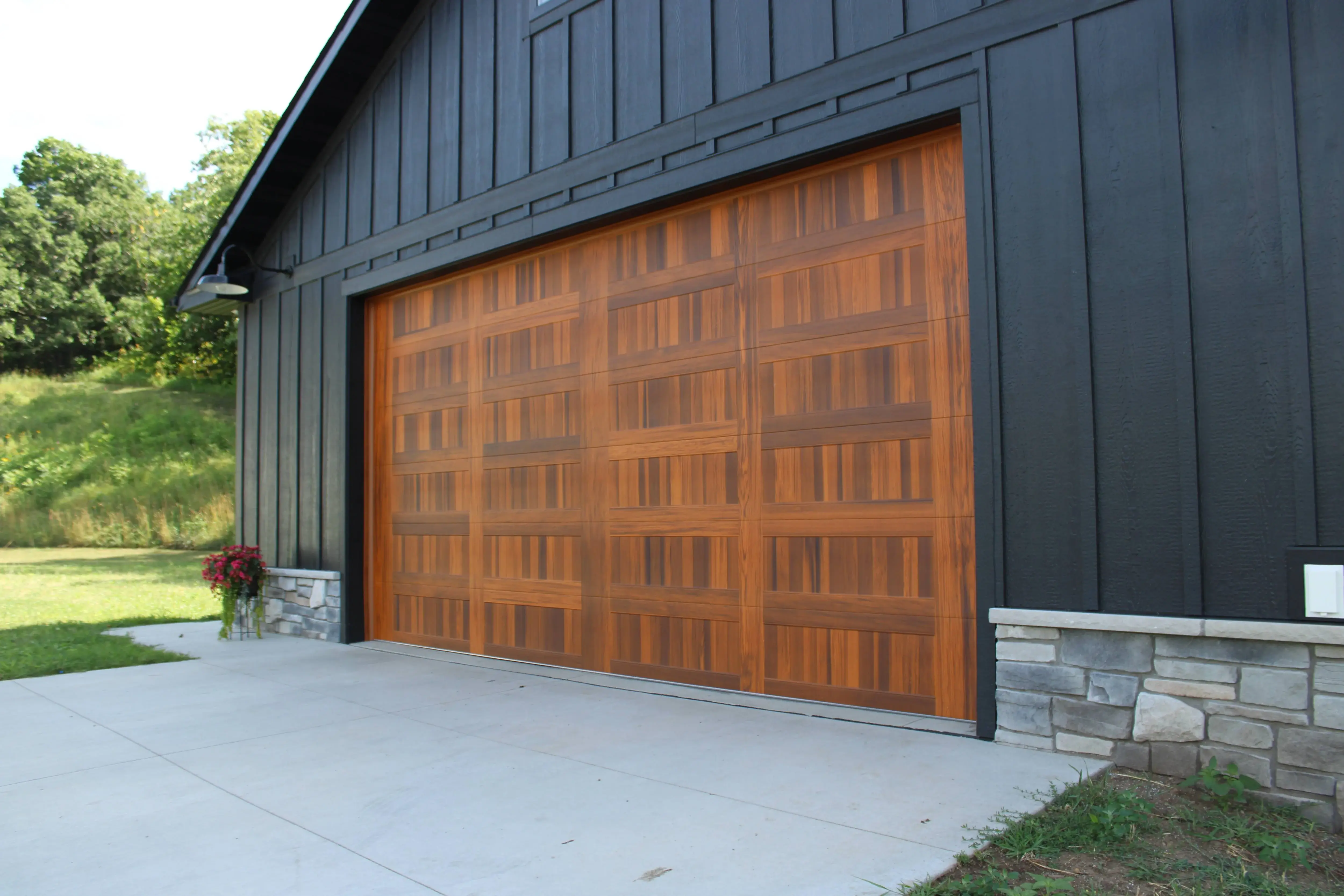
If the overhead door industry had a prom king, Clopay would likely wear the crown. Renowned across North America, this manufacturer has spent decades perfecting the balance between high-end aesthetics and rugged durability. What makes them a perennial favorite is their sheer variety. Whether you are hunting for a sleek aluminum and glass vibe for a contemporary home or an ultra-insulated faux wood finish that fools even the sharpest eyes, they have a collection for it. Beyond just looking pretty, Clopay engineers their products to withstand harsh weather, offering excellent insulation ratings that keep your space cozy in the winter and cool in the summer. It is the kind of reliable quality that makes neighbors pause and ask for your contractor’s number.
Balancing Budget and Brawn
Let us be honest for a moment. Not everyone wants to spend their entire renovation budget on a single upgrade. This is exactly where Amarr steps into the spotlight. They have mastered the art of providing exceptional value without cutting corners on structural integrity. Amarr is particularly famous for its heavy-duty steel options and classic carriage house designs. They also prioritize safety with innovative pinch-resistant panel designs that keep curious little fingers safe. For families or facility managers looking to maximize their return on investment, Amarr delivers a premium look and heavy-duty performance at a price point that will not make your accountant weep.
The Innovators of Modern Aesthetics
When you start exploring the top garage door brands available to property owners today, Wayne Dalton and C.H.I. Overhead Doors are impossible to ignore. Wayne Dalton has earned a stellar reputation for engineering brilliance, offering specialized counterbalance systems that hide unsightly springs and operate with a whisper-quiet glide. They also offer an incredible array of custom colors and wood grain finishes. On the flip side, C.H.I. Overhead Doors appeals heavily to those who want bespoke, head-turning designs. Their craftsmanship is legendary in the industry, especially when it comes to fiberglass and stamped steel that effortlessly mimics natural wood without the exhausting maintenance schedule.
Commercial Heavyweights and Industrial Strength
Residential properties often prioritize pretty windows and custom paint colors, but commercial facilities have a completely different set of demands. Business owners need raw strength, security, and the ability to cycle open and closed dozens of times a day without breaking a sweat. The appropriately named Overhead Door brand is often the go-to solution for these heavy-duty environments. As a true pioneer in the industry, they construct massive rolling steel panels, fire-rated partitions, and highly insulated sectional units designed specifically for commercial wear and tear. If you need a barrier that can shrug off high winds, constant use, and the occasional bumped forklift, their industrial lineup is built like an absolute tank.
Finding Your Perfect Architectural Match
With so many excellent manufacturers on the market, narrowing down your final choice comes down to assessing your specific environment. You have to consider your local climate and how much time you are willing to spend on upkeep. Natural wood looks undeniably gorgeous, but it demands regular staining and sealing to prevent rot. If you prefer a hands-off approach, steel panels injected with polyurethane insulation offer incredible energy efficiency and require little more than an occasional wash with the garden hose. You also want to check the R-value, which measures thermal resistance. A higher R-value means better insulation, which is an absolute lifesaver if you use your garage as a workshop, home gym, or climate-controlled storage space for your business.
Sealing the Deal on a New Installation
Upgrading your overhead door is one of the highest-yielding investments you can make for your property. It instantly modernizes your exterior, beefs up your daily security, and significantly improves energy efficiency. Whether you lean toward the vast design catalog of Clopay, the unbeatable value of Amarr, or the custom craftsmanship of Wayne Dalton, selecting a reputable manufacturer guarantees years of smooth, reliable operation. However, even the most expensive, beautifully engineered hardware will underperform if it is installed incorrectly. Proper alignment, spring tensioning, and weather sealing require a professional touch. When you are ready to ditch that outdated, noisy old system, reach out to a trusted local team of experts to guide you through the selection process and handle the heavy lifting for a flawless installation.