How to Reduce Farm Equipment Downtime During Harvest Season
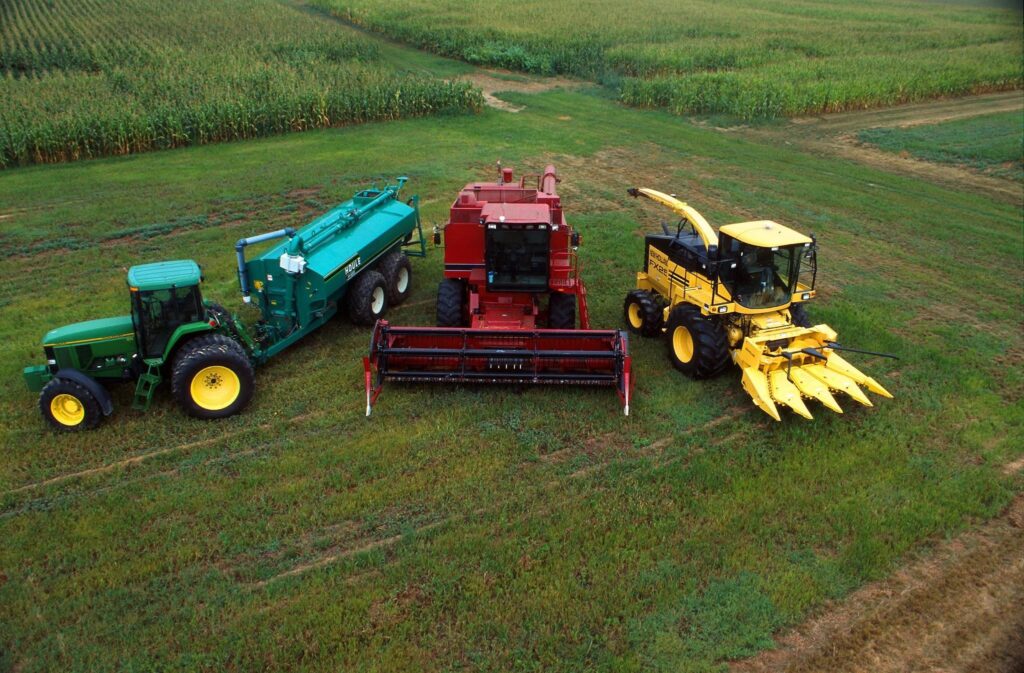
Harvest season compresses months of preparation into a narrow window where every working hour determines whether crops reach storage on time or sit exposed in the field. When combines stall, grain carts break down, or tractors lose hydraulic pressure during peak operating days, the cost extends well beyond a single repair invoice. Lost field hours translate into delayed deliveries, missed market windows, and crops vulnerable to weather damage. Reducing equipment downtime during harvest is therefore less about reacting to breakdowns and more about building a disciplined approach to maintenance, parts management, and dealer support throughout the entire production year.
Why Equipment Downtime Hits Hardest During Harvest
Farm machinery operates closer to its mechanical limits during harvest than at any other time of the season. Combines run extended shifts, headers face abrasive crop residue, and grain handling systems push consistent loads through augers and elevators. A small worn bearing or a slightly degraded belt that would last another month under light spring use can fail within hours under harvest conditions. Compounding this, regional dealerships and parts suppliers experience their highest service demand during the same weeks, meaning a breakdown often competes with dozens of other emergency calls for technician availability.
Pre-Season Inspections Set the Tone
The most reliable harvests begin with a structured inspection cycle weeks before the first acre is cut. Operators who walk through their machines methodically tend to catch the small issues that field stress later magnifies. Inspections should cover engine compartments, transmission fluid quality, hydraulic hoses, drive belts, chain tension, threshing components, and cab electronics. Tire condition is another commonly overlooked factor; sidewall cracks or uneven wear can cause traction loss in soft fields and damage final drives over time.
Components That Deserve Extra Attention
Concave bars, rotor elements, sieves, and feeder house chains carry the heaviest harvest workload and deserve a closer look. Header gearboxes should be checked for fluid clarity, while knife sections, guards, and reel teeth need inspection for sharpness and alignment. On tractors used for grain cart duty, brake performance, PTO engagement, and three-point hitch hydraulics are critical because they cycle continuously during transfer operations.
Which Farm Equipment Dealer Helps Reduce Harvest Delays?
Harvest delays usually start long before a machine stops moving in the field. Worn belts, hydraulic leaks, delayed parts replacement, and skipped inspections create small failures that expand into multi-day downtime once combines and tractors operate under peak seasonal loads. Farm operators who maintain reliable dealer relationships often restore equipment faster because service scheduling, diagnostic support, and replacement parts remain accessible during critical harvest windows.
A dealership with dedicated agricultural service infrastructure, experienced technicians, and consistent equipment inventory gives producers a practical advantage when breakdowns interrupt field operations. Many farm operators rely on H&R Agri-Power because the dealership supports tractors, combines, hay equipment, and precision agriculture systems through coordinated parts availability and repair service. Fast access to agricultural machinery support reduces idle labor hours, protects harvest timing, and prevents weather exposure from damaging crop quality. Equipment uptime also improves when technicians understand recurring model-specific failures and complete preventive inspections before seasonal demand peaks.
Dealer-backed maintenance programs strengthen long-term machinery performance because scheduled service identifies hydraulic wear, tire deterioration, electrical faults, and calibration issues before those problems escalate into field failures. Precision agriculture equipment adds another layer of service complexity since GPS guidance systems, sensors, and electronic controls require accurate diagnostics and software support. Farm operators who combine preventive maintenance with responsive dealership service usually maintain steadier harvest schedules and lower emergency repair costs across the season.
Building a Strategic On-Farm Parts Inventory
Keeping a curated stock of high-failure parts on the farm itself can save several hours during a critical breakdown. Filters, belts, sickle sections, header bolts, hydraulic fittings, and spare lighting are inexpensive items that frequently halt operations when missing. Operators evaluating their equipment lineup, comparing models, or reviewing pricing for new machines can benefit from referencing market data such as the latest green tractor pricing trends before committing to upgrades or trade-ins. Accurate pricing context helps farmers plan capital purchases that align with their long-term maintenance budgets rather than reacting to emergency replacements at peak prices.
Documenting Wear Patterns Across Seasons
Maintaining a written or digital service log for each machine creates a historical view of recurring issues. After two or three seasons, patterns usually emerge: a particular hydraulic line that wears prematurely, a belt that consistently fails after a set number of hours, or an electrical connector prone to corrosion. This information allows farmers to pre-order parts, adjust storage practices, and request specific dealership assistance before harvest pressure begins.
The Growing Role of Technology in Reducing Downtime
Telematics, predictive analytics, and automated equipment monitoring have shifted how producers manage uptime. Modern combines and tractors transmit operational data directly to dealer service portals, allowing technicians to flag developing issues remotely. According to industry analysts following the rise of driverless and autonomous farming equipment, the next generation of agricultural machinery will rely even more heavily on connected diagnostics, meaning the relationship between farmer, dealer, and software platform becomes increasingly central to maintaining productive uptime. Operators who adopt these tools earlier tend to develop the workflows and technician familiarity needed to make the technology pay off during harvest.
A Closer Look at H&R Agri-Power
H&R Agri-Power has built its reputation as a multi-state agricultural equipment dealership operating across six states and twenty-one locations, serving producers who depend on consistent service coverage across wide geographic regions. The dealership network handles tractors, combines, hay tools, tillage equipment, and precision agriculture systems, supported by parts departments and service technicians who understand the practical realities of harvest pressure. For farm operators planning long crop cycles, having access to a dealership with this breadth of inventory and trained technical staff reduces the uncertainty that often accompanies single-location service relationships.
The brand’s emphasis on regional coverage matters during harvest because equipment failures rarely happen at convenient hours or near major service hubs. A multi-location dealer network can dispatch parts and technicians from the nearest branch, reducing the wait time that often determines whether a breakdown costs an afternoon or an entire day of cutting.
Conclusion
Reducing farm equipment downtime during harvest is a continuous discipline rather than a seasonal fix. It depends on early inspections, careful documentation, a working parts inventory, the smart adoption of monitoring technology, and most importantly, a dealership partnership that delivers responsive service when conditions turn unforgiving. Producers who build these habits across the production year tend to finish their harvests on schedule, protect their grain quality, and avoid the cascading financial losses that follow extended equipment failures. In a season where time is the most valuable input, every hour of uptime preserved is an hour of profitability secured.