
6 Post Visit Concerns A Veterinary Clinic May Ask About During A Follow Up Call
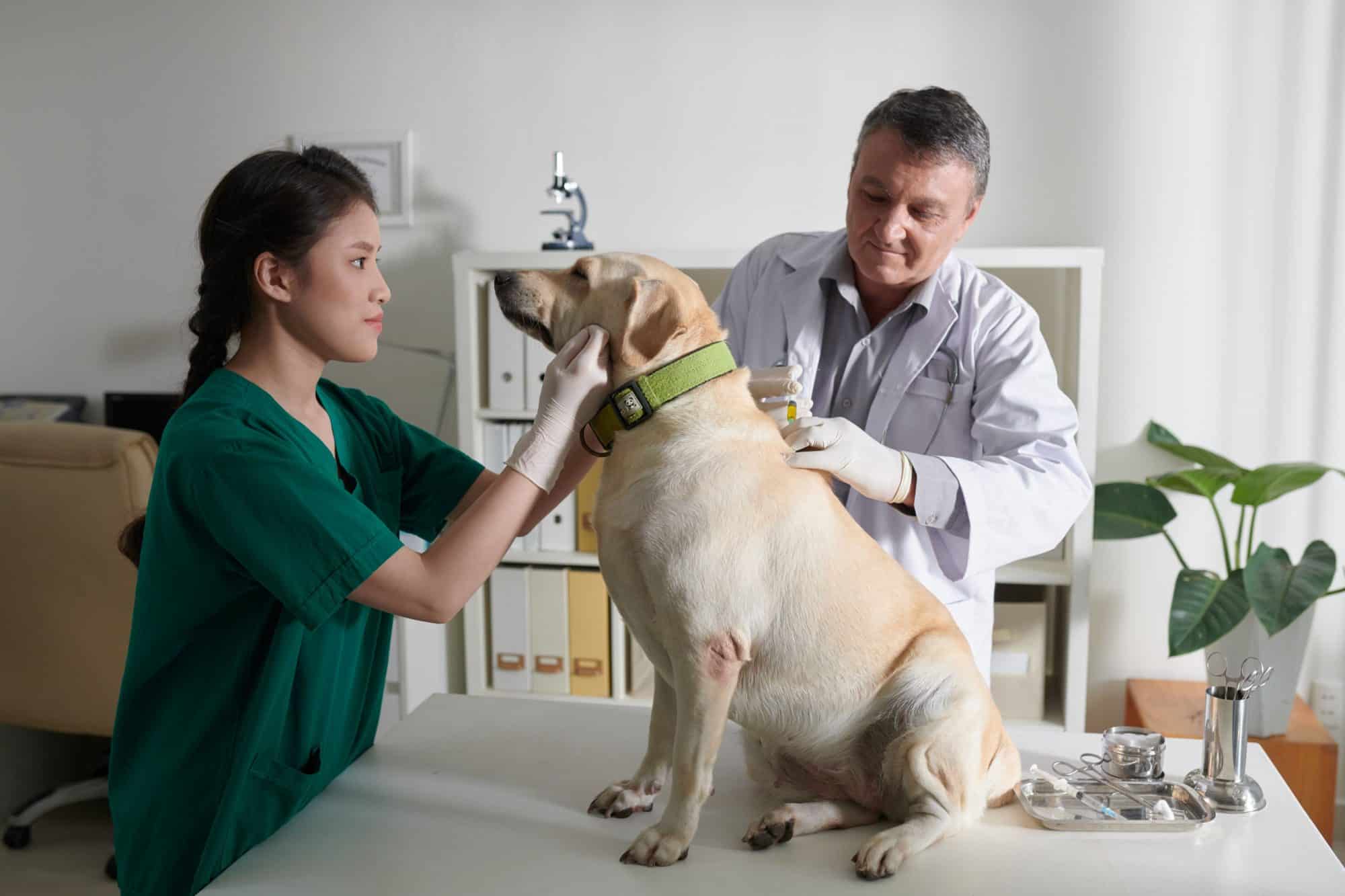
You brought your pet home, set up the blankets, checked the meds, and watched every small movement like it meant something. That first day after a visit can feel long. Even when the appointment went well, you may still be replaying the vet’s instructions in your head, wondering if your dog is too quiet, if your cat should be eating more, or if that incision looks normal. A follow up call from a veterinary clinic, such as an animal hospital in Douglas County, WI, often comes at exactly that moment, when you need reassurance but also clear answers.
These calls are not small talk. They help the clinic catch early signs of trouble, confirm recovery is on track, and adjust care if needed. 6 post visit concerns a veterinary clinic may ask about during a follow up call usually include pain, appetite, bathroom habits, activity level, incision or wound changes, and medication problems. If you know what they are listening for, you can give better updates and feel less stuck in the dark.
Follow Up Calls From a Veterinary Clinic Focus on the Changes You Notice at Home
Your pet often acts differently at home than in an exam room. That matters. A clinic can learn a lot from what you see on the couch, near the litter box, or during a slow walk outside. The point of a follow up is to connect the medical plan with your pet’s real behavior after the visit.
One of the first concerns is pain. Pets hide pain well, especially cats, so the signs are often subtle. A dog that usually greets you at the door may stay curled up. A cat may stop jumping onto a chair it uses every day. The clinic may ask if your pet is panting, crying, trembling, guarding a body part, or resisting touch. If pain is not controlled, healing can slow down and normal eating and sleeping can fall apart with it.
Appetite and water intake are next because they tell the clinic how the whole body is responding. A pet that refuses food after surgery, dental work, or illness may be nauseated, stressed, or in pain. Drinking far less or far more than usual can also point to a problem. Clinics often compare today’s intake with your pet’s normal routine, not a perfect standard. That is why your observations matter so much.
Bathroom habits often come up early in the call. Trouble urinating, straining to defecate, diarrhea, or no bowel movement at all can signal anything from medication side effects to a more urgent issue. After anesthesia or surgery, some delay can be expected, but there is a line between expected and concerning. You may find the post surgery instructions from Seattle Animal Shelter helpful because they outline the kind of elimination changes owners are often told to monitor.
Behavior, Wounds, and Medication Issues Often Reveal the Next Problem
Activity level is another common topic. Rest is expected after many procedures, but there is a difference between sleepy and hard to wake, between calm and weak. A pet that paces all night, cannot settle, or seems disoriented may also need attention. If your pet had surgery, overactivity can be its own problem. One sudden jump onto the bed can irritate stitches or restart bleeding.
Incision and wound checks are a major reason clinics call. They may ask if the area is red, swollen, warm, open, bleeding, or leaking fluid. Many owners worry because an incision looks “different,” but they are not sure if it is truly bad or if they are just anxious. That anxiety makes sense. You are looking at something you were told not to disturb, and now you have to judge it. The aftercare guidance from Tufts gives a useful picture of what normal recovery can look like versus signs that need a call back.
Medication problems are also common during a post appointment pet care call. Maybe your dog spits out every pill. Maybe the liquid antibiotic causes drooling. Maybe you missed a dose and now you are worried you ruined the treatment plan. Clinics want to know that. They would rather help you fix the schedule than have you stop a medicine quietly because giving it feels impossible.
Some follow ups also touch on breathing, coughing, vomiting, or swelling, especially after illness, sedation, or dental procedures. If your pet has chronic disease, the call may include a check on mobility, thirst, glucose readings, or seizure activity. A good veterinary follow up call is not scripted in a cold way. It is focused on the details most likely to change care quickly.
Common Post Visit Concerns and What They Can Mean
| Concern discussed on the call | What you may notice at home | Why the clinic asks |
|---|---|---|
| Pain | Whining, hiding, panting, stiffness, flinching | Uncontrolled pain can delay healing and reduce eating or drinking |
| Appetite and drinking | Skipping meals, nausea, drinking much less or more | Helps flag pain, dehydration, medication reactions, or worsening illness |
| Urination and bowel movements | Straining, diarrhea, no urine, constipation | Can point to blockage, side effects, dehydration, or post procedure complications |
| Energy and behavior | Lethargy, restlessness, confusion, weakness | Shows how recovery is progressing outside the clinic |
| Incision or wound appearance | Redness, swelling, discharge, opening, odor | Helps catch infection or wound breakdown early |
| Medication tolerance | Vomiting after meds, refusing pills, missed doses | Allows the team to adjust the plan before treatment fails |
Clear Updates Help Your Veterinary Clinic Guide the Next Step
When the clinic calls, “she seems off” is honest, but details help more. If you can say your cat ate half her dinner, drank twice, used the litter box once, and is licking the incision every hour, the team has something concrete to work with. If you need a recheck, scheduling one quickly matters. Washington State University’s veterinary hospital shares helpful information about appointments and follow up care, including when a return visit may be needed.
That is the core of aftercare concerns after a pet visit. The clinic is trying to sort normal recovery from the first signs of a setback, before it turns into an emergency and a much bigger bill.
Three Steps to Take Before and During the Follow Up Call
Write down changes as they happen. Track meals, water, bathroom trips, meds, and anything new you see. Memory gets fuzzy when you are tired and worried. A few notes on your phone can make the call much more useful.
Check the specific area the clinic told you to monitor. Look at the incision, gum color, breathing rate, or mobility if those were part of your instructions. Do it in good light and compare what you see to the discharge sheet.
Say plainly if something is not working. If your pet will not take the medicine, if the cone keeps coming off, or if rest restrictions are impossible in your home, tell them. A veterinary clinic can often adjust the plan, but only if they know the real problem.
Good Follow Up Care Gives You a Safer Recovery at Home
You are not overreacting by watching closely after a pet’s visit. Most owners are trying to judge small signs without much sleep, and that is exactly why follow up calls matter. They turn your observations into medical guidance and catch problems before they grow. If your pet has had a recent visit, keep your notes close, answer the call if you can, and contact your veterinary clinic sooner if anything feels wrong.