
Footwear Inspection: Quality Control and PSI Checklist
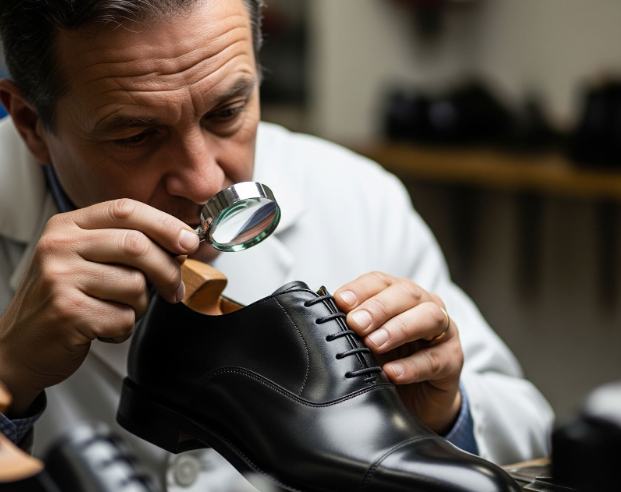
Footwear plays a crucial role in everyday life, from fashion to function, making quality control a vital component of the manufacturing process. Whether it’s sports shoes, formal wear, or casual sneakers, consistent quality is what keeps brands competitive and customers satisfied. Footwear inspection, particularly during Pre-Shipment Inspection (PSI), helps ensure that products meet both customer expectations and regulatory standards. This article explores the essentials of footwear inspection, quality control protocols, and a comprehensive PSI checklist, including the rising importance of sustainable materials like waterbased pu.
Understanding the Importance of Footwear Inspection
Footwear inspection is a systematic process conducted to evaluate the quality, safety, and compliance of footwear products before they are shipped to retailers or end users. This process helps identify defects in design, construction, material, or finishing, reducing the risk of returns, brand damage, or regulatory issues. With the rise of fast fashion and online retail, brands are under more pressure to deliver high-quality products consistently. A thorough inspection not only maintains brand reputation but also ensures that materials like waterbased pu, often chosen for sustainability reasons, are properly utilized and meet performance standards.
Common Quality Issues in Footwear Production
There are several recurring issues that arise during footwear manufacturing. These include uneven stitching, poor adhesive application, misshapen soles, color mismatches, and weak heel counters. Inconsistent sizing and improper material combinations are also common complaints. These flaws can lead to discomfort, faster wear and tear, or customer dissatisfaction. During the inspection process, inspectors look for both aesthetic and functional flaws. For example, when waterbased pu is used for uppers or linings, it must be evaluated for abrasion resistance, water repellency, and adhesion to underlying layers to ensure it performs as expected.
Role of Waterbased PU in Sustainable Footwear Manufacturing
As the industry moves toward sustainability, many manufacturers are transitioning from traditional solvent-based PU to waterbased pu. This alternative eliminates harmful volatile organic compounds (VOCs) and reduces toxic emissions during production. Waterbased pu is not only safer for workers and the environment but also delivers excellent durability, flexibility, and a soft hand feel, making it a popular choice for ethical shoe brands. Inspecting footwear made with this material involves specific quality parameters, including checking bonding strength, color fastness, and texture consistency, to guarantee the material aligns with the product’s overall quality standards.
Key Stages of Footwear Inspection
A comprehensive footwear inspection involves several stages. The first is the initial production check (IPC), conducted when about 10-20% of the order is completed. This stage helps identify potential issues early. The second stage is during production check (DUPRO), where the production line is monitored for consistency. The final and most critical stage is the pre-shipment inspection (PSI), which occurs once 80% or more of the order is packed. PSI ensures that the entire batch meets order specifications, label requirements, and shipping regulations. Whether shoes are made with leather, canvas, or waterbased pu, PSI confirms the uniformity and integrity of the finished product.
PSI Checklist for Footwear Quality Control
A detailed PSI checklist is essential for ensuring that no critical aspect of footwear quality is overlooked. Here are some important elements typically included:
- Quantity verification – Ensuring the correct number of pairs are produced and packaged.
- Workmanship assessment – Checking for defects in stitching, gluing, sole attachment, and general finishing.
- Material inspection – Verifying materials, such as waterbased pu, are as specified and free from damage.
- Functional testing – Testing for flexibility, sole grip, shock absorption, and comfort.
- Color and design accuracy – Making sure the colors and designs match what was approved.
- Label and packaging check – Ensuring size tags, barcodes, and packaging match retailer or client specifications.
- Size measurement – Verifying that sizing across pairs is consistent with international size standards.
Each of these components plays a crucial role in confirming the product’s readiness for shipment and use.
Laboratory Testing and Compliance Standards
In addition to on-site inspections, laboratory testing is often necessary, especially for international shipments. Tests may include slip resistance, tear strength, chemical composition, and endurance testing under stress conditions. For materials like waterbased pu, chemical tests are essential to ensure the absence of hazardous chemicals, confirming compliance with REACH, RoHS, or CPSIA standards. Tests for biodegradability or recyclability are also being adopted by forward-thinking brands. Regulatory compliance not only opens access to more markets but also builds customer trust in the product and the brand.
The Role of Third-Party Inspection Agencies
Many footwear brands and manufacturers rely on third-party inspection agencies to conduct unbiased evaluations of their products. These agencies provide specialized knowledge and expertise, particularly useful when newer materials like waterbased pu are used. They can inspect products in the factory, warehouse, or at the shipping point. Agencies often use the AQL (Acceptable Quality Limit) sampling method to inspect products systematically and report defects by severity. This impartial inspection process is especially helpful when brands outsource their production to foreign factories and need assurance of consistent quality.
Common Tools and Instruments Used in Footwear Inspection
A variety of tools are used during footwear inspections to ensure precise measurements and defect identification. These include calipers for size checking, flexing machines to test durability, colorimeters for shade accuracy, and abrasion testers to check surface wear. When evaluating waterbased pu, moisture meters and adhesion testers may be used to assess drying quality and bonding performance. High-resolution cameras are often employed to document flaws and generate visual inspection reports. The accuracy of these tools is critical in maintaining international quality control standards and preventing shipment of defective items.
Looking Ahead: Enhancing Footwear Quality Control Systems
As consumer expectations rise and environmental regulations tighten, the importance of a robust quality control system becomes more evident. Brands must integrate sustainable materials, such as waterbased pu, while maintaining or even improving product durability and aesthetic appeal. Digital inspection tools, automated quality control systems, and blockchain tracking are expected to become more prominent in the next few years. These innovations will improve traceability and accountability throughout the supply chain, helping brands maintain transparency with their customers and ensure the highest levels of quality.