Old Farm Sayings About Livestock That Actually Hold Up
Every farming community has its own collection of sayings passed down about livestock, weather, and timing. Some of it is pure superstition. Some of it, though, turns out to be surprisingly accurate observation dressed up as folk wisdom, passed along by generations of farmers who didn’t have a vet on speed dial and had to rely on careful watching instead. Sorting out which is which has become something of a hobby of mine over the years I’ve spent raising cattle.
I grew up hearing a lot of these sayings without giving them much thought, the way you absorb background noise from the adults around you. It wasn’t until I started raising my own animals and actually needed reliable information that I started digging into which of these old sayings had any real basis and which were just things people repeated because they sounded wise.
The Nine-Month Comparison That Actually Checks Out
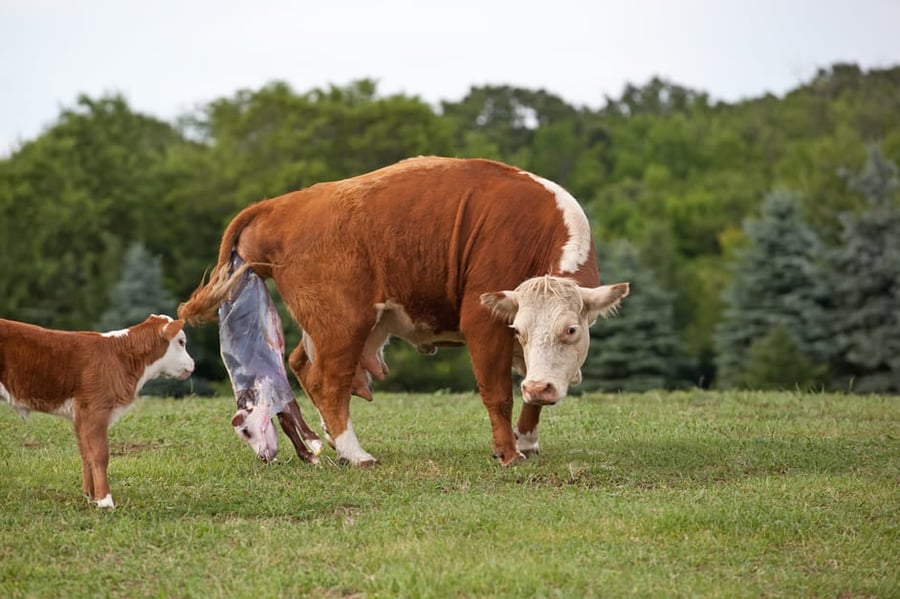
One saying I heard from an older neighbor when I first started raising cattle was that a cow carries her calf about as long as nine human months, give or take a few weeks. It sounded like a rough rule of thumb rather than anything precise, but when I actually looked into cow gestation, that old comparison turned out to be a genuinely useful shorthand for a new farmer trying to get a rough sense of timing before diving into the more exact numbers.
What struck me about this particular saying is how practical it actually is as a teaching tool. Most new farmers already have some intuitive sense of how long a human pregnancy lasts, so anchoring a new piece of information to something already familiar makes it easier to remember and apply, even if the comparison isn’t perfectly precise down to the day. It’s a good example of folk knowledge doing exactly what it’s meant to do: making complex information accessible through a memorable shorthand.
Where Old Sayings Start to Break Down
Other sayings are less reliable. The old idea that you can tell a calf’s sex by the shape of the cow’s belly doesn’t hold up to any real scrutiny, and I’ve been wrong enough times trusting that one that I’ve stopped repeating it to new homesteaders who ask. It’s a fun bit of barn conversation, but it’s not something I’d recommend anyone actually plan around, and I’ve watched confident predictions based on this method turn out wrong often enough to know it’s essentially a coin flip dressed up as expertise.
Weather folklore tends to be a similar mixed bag, some of it rooted in real seasonal patterns, some of it just coincidence that got repeated until it became tradition. Sayings about animal behavior predicting storms, for instance, sometimes track with genuine changes in barometric pressure that animals may sense before humans do, while other similar sayings seem to be pure pattern-matching after the fact, where people remember the times a prediction came true and forget the many times it didn’t.
A Framework for Evaluating Old Wisdom
Over time, I’ve developed a rough personal framework for deciding how much weight to give an old farm saying. Does it describe something with a plausible biological or physical mechanism behind it, even if the original explanation was wrong? Does it hold up consistently across multiple sources and regions, or is it specific to one family’s tradition? And critically, does testing it against actual outcomes on my own farm support or contradict what the saying claims?
This framework won’t give you a perfect answer every time, but it’s helped me sort through decades of accumulated farm wisdom without either dismissing all of it as outdated nonsense or accepting all of it uncritically just because it sounds authentically old-fashioned. Some sayings deserve real respect. Others deserve a polite nod and nothing more.
Collecting Sayings From Your Own Community
One of the more enjoyable parts of this hobby has been actively asking older farmers and ranchers in my area about the sayings they grew up with, rather than waiting to hear them mentioned in passing. Most people are happy to share this kind of knowledge when asked directly, and I’ve picked up several sayings this way that I’d never heard from my own family, some of which held up surprisingly well once I looked into the underlying claim.
This kind of active collection also serves a quieter purpose. A lot of this knowledge exists only in the memory of an aging generation of farmers, and once it’s gone, it’s gone, since so little of it was ever written down formally. Taking the time to ask, listen, and occasionally write down what you hear is a small way of preserving a piece of agricultural history that would otherwise disappear quietly with the people who carried it.
Why Some Folklore Persists Even When It’s Wrong
It’s worth thinking about why inaccurate sayings survive for generations despite not holding up to scrutiny. Confirmation bias plays a large role. People tend to remember the instances where a saying’s prediction came true and forget the instances where it didn’t, which gradually builds an inflated sense of reliability over time even for sayings with no real predictive value. Sayings that are vague enough to apply to multiple outcomes, or that get remembered selectively, tend to survive regardless of actual accuracy.
Recognizing this pattern has made me a more careful evaluator of folklore generally, not just the specific sayings about livestock I’ve encountered directly. It’s a useful habit of mind for anyone trying to separate genuinely useful traditional knowledge from the sayings that persisted simply because they were memorable rather than accurate.
Treating Folklore as a Starting Point
Consider keeping a small written record of the sayings you come across, along with whatever you eventually learn about their accuracy. Over a few years, this kind of personal collection becomes a genuinely useful reference, and it’s a satisfying project in its own right for anyone who enjoys the overlap between practical farming and local history. It also gives you something concrete to pass along to the next generation on your own farm, refined by your own investigation rather than passed along exactly as you first heard it.
The lesson I’ve taken from years of hearing this stuff is to treat old farm sayings as a starting point for curiosity, not a final answer. They often point toward something true, but it’s worth digging into the actual numbers and research behind them before you build your season’s planning around a saying instead of solid information.
If you’re new to raising cattle and you’re hearing these old sayings from neighbors or family members, don’t dismiss them outright, but don’t take them as gospel either. Use them as a starting point for questions, then go verify the details that actually matter for your own herd management. That combination of respecting tradition while still checking the facts has served me well across many seasons of raising cattle on this property.
https://selfsufficientprojects.com/how-long-are-cows-pregnant-a-complete-guide-for-farmers-and-animal-owners/https://selfsufficientprojects.com/how-long-are-cows-pregnant-a-complete-guide-for-farmers-and-animal-owners/cow gestation