
Why Are Inground Fiberglass Pools a Popular Choice for Homeowners?
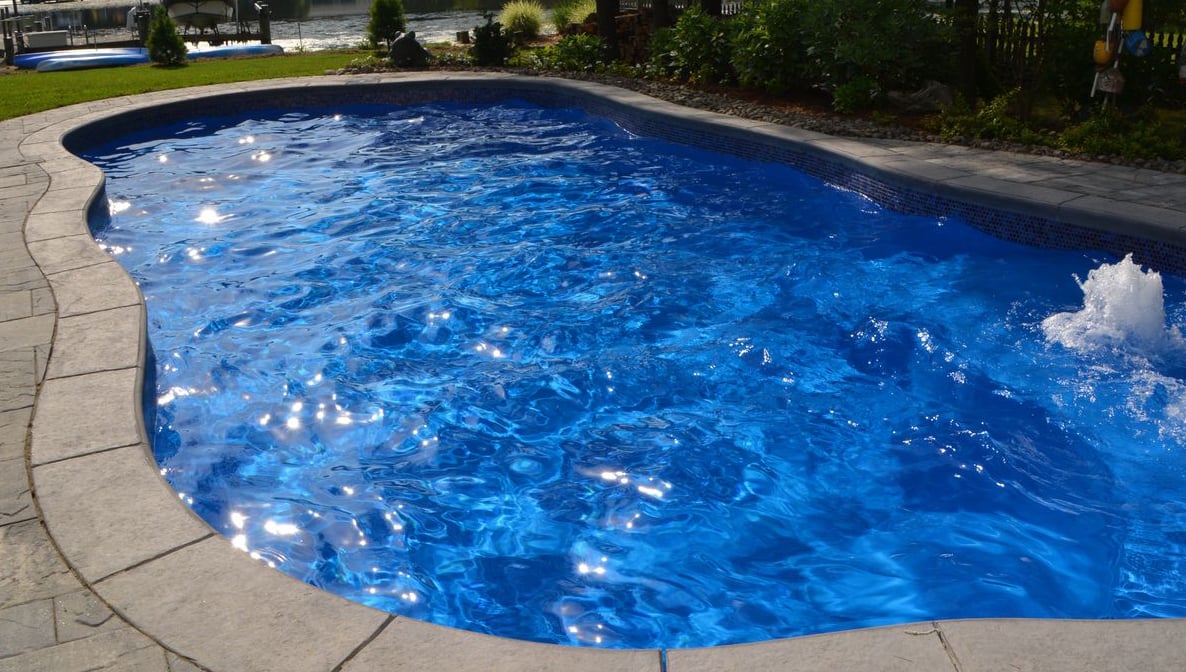
If you walk through almost any suburban neighbourhood in Canada during summer, you’ll notice something. The backyard pools that look the cleanest, the ones with the clearest water and the least visible wear, are often fiberglass. That’s not a coincidence. Homeowners who’ve done their research tend to land on inground fiberglass pools, not because they’re trendy, but because they genuinely hold up better over time and cause far less ongoing headache than most people expect from a pool.
But popularity alone doesn’t tell you much. Plenty of things are popular for bad reasons. So here’s an honest breakdown of why fiberglass keeps winning over homeowners who take the time to compare their options properly.
The Maintenance Reality Nobody Talks About Enough
Most people think about pool maintenance in terms of weekly skimming and vacuuming. What they don’t account for is the surface itself, and how much work different pool surfaces create over years of ownership.
Here’s how fiberglass compares to the other two main options:
- Concrete pools have a porous surface that algae clings to easily. You’re scrubbing more often, using more chemicals, and resurfacing every ten to fifteen years.
- Vinyl liner pools need full liner replacements every seven to twelve years. That cost sneaks up on people fast.
- Inground fiberglass pools have a smooth, non-porous gelcoat surface that naturally resists algae. You’re maintaining the water, not fighting the surface every single week.
The chemical savings are real too. Because fiberglass doesn’t absorb chemicals the way concrete does, you use noticeably less chlorine and balancing agents over time. Over ten years, that difference adds up, both in cost and in hours spent managing it.
How Does It Hold Up in Canadian Conditions?
A lot of general pool content is written for warmer climates where freeze-thaw cycles aren’t a concern. In Canada, they absolutely are. The ground moves. Temperatures swing hard. And materials that work fine in Arizona can struggle in Ontario or Alberta winters.
Fiberglass handles those conditions well for a few straightforward reasons:
- The material has a natural degree of flexibility, so it absorbs minor ground movement without cracking, something rigid concrete struggles with over time.
- Properly installed inground fiberglass pools with correct backfill and drainage are built to survive Canadian winters without the structural stress that concrete sometimes develops.
- The smooth surface also means less water absorption, which reduces the freeze-related damage that porous surfaces are more vulnerable to.
That said, proper installation is everything here. Even the best shell develops problems if the backfill and drainage aren’t done right. Which is why choosing the right contractor matters as much as choosing the right pool type.
The Long-Term Cost Picture
People compare pool types based on upfront price and stop there. That comparison usually favours concrete or vinyl. But the full picture looks very different when you factor in what the pool actually costs over ten or twenty years.
| Cost Factor | Inground Fiberglass | Concrete | Vinyl Liner |
| Initial installation | Mid-to-high | High | Lower |
| Resurfacing | Rarely needed | Every 10–15 years | Liner every 7–12 years |
| Chemical usage | Lower | Higher | Moderate |
| Algae treatment | Minimal | Frequent | Moderate |
| Long-term maintenance | Low | High | Medium |
| Lifespan | 25+ years | 25+ years, higher upkeep | Depends on liner frequency |
When you look at the full picture honestly, fiberglass often works out cheaper over time, even if the starting number feels higher.
Comfort That You Notice Every Single Day
This sounds like a small thing until you’ve experienced it. Fiberglass surfaces are smooth and genuinely comfortable, underfoot on the steps, leaning against the walls, sitting on a tanning ledge. Concrete is not. It’s rough, abrasive, and not something you’d want young kids pressing against all afternoon.
It’s not a dealbreaker either way, but it’s one of those everyday details that quietly improves your experience of owning the pool.
A Pool That Makes Sense for the Long Haul
There’s no perfect pool type for every homeowner, anyone telling you otherwise is oversimplifying. But inground fiberglass pools consistently make sense for a wide range of people because they get the balance right on the things that actually matter over years of ownership: manageable upkeep, solid durability, faster installation, and long-term costs that get more favourable the longer you own the pool.
The initial conversation is always about what it costs to put in. The smarter conversation is about what it costs, and what it gives you, over the next two decades. Fiberglass tends to win that conversation for most homeowners who go through it honestly. Visit Life Scape Pools and start that conversation today.
FAQs
1. How long do inground fiberglass pools typically last?
With proper installation and regular upkeep, a fiberglass pool comfortably lasts 25 years or more. The shell is highly durable and the gelcoat surface can be refinished further down the line if needed.
2. Are inground fiberglass pools suitable for sloped yards?
Yes, though site preparation becomes more involved. A good contractor will assess your yard’s grade and drainage before installation to make sure everything is set up correctly for your specific conditions.
3. Can fiberglass pools be heated efficiently?
Fiberglass is a natural insulator compared to concrete, which means it retains heat better and costs less to warm up. That’s particularly useful in Canada where extending the swimming season matters.
4. What size options are available?
There’s a solid range, from compact plunge-style pools for smaller yards to larger family pools with multiple depth zones and integrated features. Most homeowners find a configuration that genuinely fits their space.
5. How do I know if my yard is suitable for inground pool installation?
Have a contractor assess the site directly. Soil type, drainage, access for equipment, and proximity to utility lines all factor in, and a qualified contractor will flag any site-specific concerns before quoting the job.