
Why Proactive Exterior Maintenance Protects More Than Just Your Roof
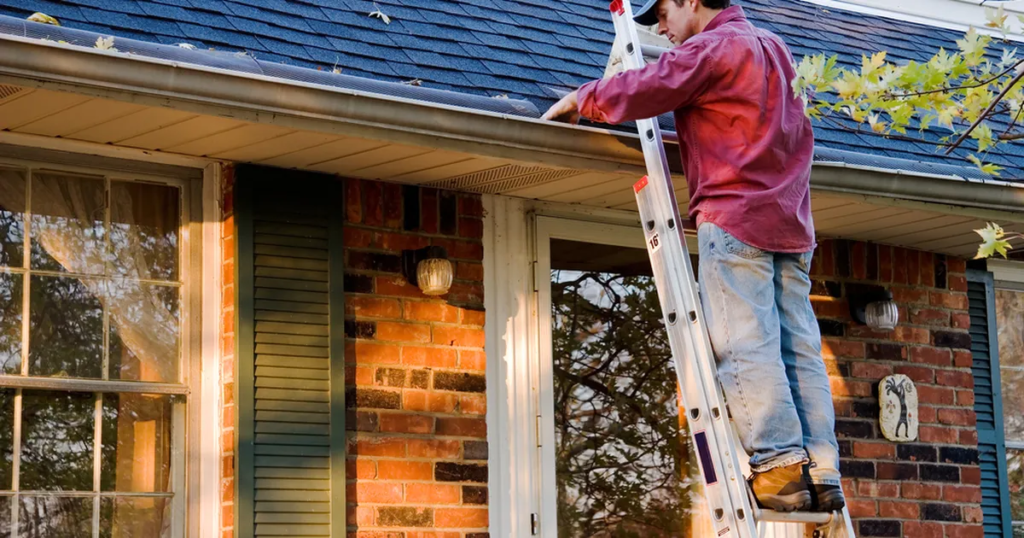
A home’s exterior works as a complete system. The roof may get most of the attention, but gutters, siding, trim, ventilation, and drainage all play a role in protecting the structure underneath. When one part starts to fail, the effects can spread quietly into other areas of the property.
That is why smart homeowners take a broader view of exterior maintenance. Instead of waiting for obvious damage, they look for ways to catch small issues early, preserve curb appeal, and avoid more disruptive repairs later.
The Roof Is Only One Part of the Protection System
It is easy to think of roofing as a stand-alone feature. In reality, your roof depends on surrounding components to perform well over time. Gutters direct water away from the foundation. Siding helps shield walls from moisture and weather exposure. Ventilation supports attic health and can reduce strain on roofing materials.
When homeowners focus only on the most visible problem, they may miss the root cause. A stain on the ceiling, for example, may not always come from a major roof failure. It could be tied to flashing, clogged gutters, trapped moisture, or poor drainage patterns around the home.
Looking at the exterior as a connected system offers several benefits:
- It helps identify hidden issues before they grow
- It encourages smarter repair planning
- It reduces the risk of repeat problems
- It supports both appearance and structural performance
- It can improve long-term property value
This kind of whole-home perspective is especially useful in regions where changing seasons, storms, humidity, and heat all put pressure on exterior materials throughout the year.
Small Exterior Problems Rarely Stay Small
One of the biggest challenges in home maintenance is timing. Many exterior problems begin quietly. A lifted shingle, a minor gap near trim, or overflowing gutters may not seem urgent in the moment. But these conditions often create opportunities for water intrusion, wood deterioration, mold growth, or insulation issues.
Homeowners often delay action because the damage is not yet dramatic. That is understandable. Exterior systems are easy to ignore when life gets busy and everything appears mostly fine from the ground. But minor warning signs are often exactly when action matters most.
Some common red flags include:
Water Stains or Discoloration
Brown or yellow stains inside the home may indicate that water is finding its way in. Even if the area dries out, the source of the problem still needs attention.
Shingles or Granules in the Yard
Loose roofing material after wind or storms can point to wear, impact, or aging sections that are becoming vulnerable.
Sagging or Overflowing Gutters
When gutters are pulling away or spilling during rain, water may no longer be moving away from the house effectively.
Fading, Cracking, or Warped Siding
These issues can affect more than appearance. They may allow moisture to reach underlying materials.
Unusual Energy Bill Changes
A home that becomes harder to heat or cool may be dealing with attic ventilation, insulation, or exterior envelope problems.
The earlier these signs are addressed, the more options homeowners usually have.
Why Preventive Inspections Matter
Preventive maintenance is not about overreacting. It is about staying informed. A regular exterior inspection gives homeowners a clearer picture of condition, wear patterns, and developing risks. That makes it easier to plan projects instead of being forced into emergency decisions.
Inspections are useful after severe weather, but they also matter during ordinary times. Wind, sun exposure, moisture, and age can all wear down materials gradually. By the time a leak becomes visible inside the home, the problem may have been developing for quite a while.
A thoughtful inspection process can help homeowners:
- Spot damage that is not visible from the ground
- Separate cosmetic concerns from functional ones
- Prioritize repairs based on urgency
- Understand how one issue may be affecting another
- Budget more realistically for future maintenance
For homeowners who want a better sense of what a full exterior-focused approach looks like, Ideal Roofing and Exteriors offers useful context on how roofing, gutters, siding, and related systems work together to protect a property.
Curb Appeal and Protection Usually Go Hand in Hand
Many people think of exterior upgrades in two categories: functional repairs and appearance improvements. In practice, those categories overlap more than expected.
A new gutter system improves drainage, but it also sharpens rooflines and creates a cleaner finish. Updated siding can refresh the look of the home while improving weather resistance. Exterior painting can boost visual appeal while adding another layer of protection against the elements.
This overlap matters because homeowners often delay projects when they assume they must choose between beauty and practicality. In many cases, the best exterior work accomplishes both goals at once.
A Better Exterior Experience Starts With Priorities
Instead of asking, “What looks worst?” it may be better to ask:
- What area is most exposed to moisture?
- What issue could spread if ignored?
- Which upgrade improves both durability and appearance?
- What project helps prevent future repair costs?
These questions lead to more strategic decisions. They also make it easier to phase work over time when a full exterior refresh is not practical all at once.
The Value of a Long-Term Exterior Plan
Not every home needs a major project today. But every home benefits from a long-term plan. That plan does not need to be complicated. It simply needs to help the homeowner stay ahead of wear, monitor changes, and act before problems become disruptive.
A practical exterior maintenance plan might include:
Seasonal Visual Checks
Walk the property a few times each year and after major storms. Look for visible changes in roofing, gutters, siding, trim, and drainage.
Routine Cleaning
Keep gutters clear, remove debris buildup, and trim back branches that can rub against the roof or siding.
Photo Tracking
Taking photos of problem areas over time makes it easier to see whether cracking, staining, or movement is getting worse.
Targeted Repairs
Address vulnerable spots early rather than waiting until the damage affects other systems.
Periodic Professional Assessment
A trained eye can often spot patterns that homeowners miss, especially in hard-to-see areas.
This kind of planning reduces guesswork. It also helps homeowners make more confident decisions when repair or replacement eventually becomes necessary.
A Strong Exterior Supports Peace of Mind
Home maintenance is rarely just about materials. It is also about confidence. Homeowners want to know their property is protected, their investment is being preserved, and their family is not being surprised by preventable damage.
That peace of mind usually comes from consistency rather than urgency. Homes tend to perform best when owners pay attention early, think in systems instead of isolated parts, and treat maintenance as a form of protection rather than a reaction to failure.
Conclusion
A well-maintained exterior does more than improve how a home looks from the street. It helps manage water, preserve structural integrity, support energy performance, and reduce the chance of avoidable repairs. When homeowners understand how roofing, gutters, siding, and other exterior components work together, they are in a much better position to protect the home over time.
The most effective approach is often the simplest: inspect regularly, respond early, and think beyond one isolated issue. A proactive mindset can turn exterior maintenance from a stressful expense into a smart, steady investment in the life of the home.