
IPL Laser Hair Removal: A Complete Guide to Modern Hair Reduction Technology
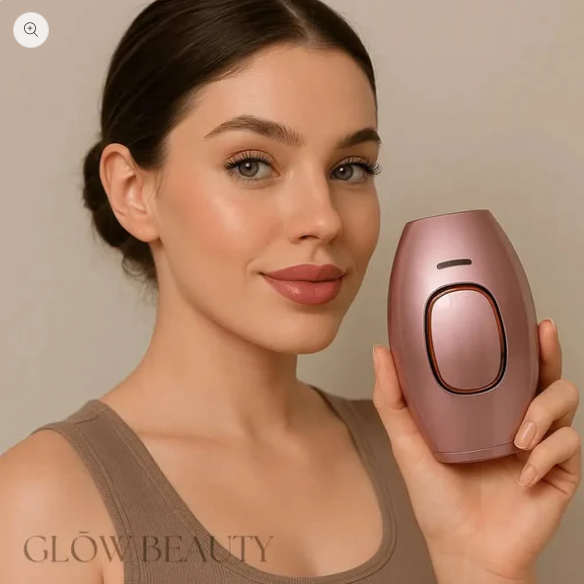
Hair removal has been a part of personal grooming for centuries, evolving from basic shaving tools to advanced technological solutions. Among the most popular modern methods is IPL laser hair removal, a technique that promises longer-lasting results with minimal discomfort. As people increasingly seek convenient and effective alternatives to traditional hair removal methods, understanding how IPL works and what it offers has become essential.
This technology is widely discussed in beauty and dermatology circles, not because it is a trend, but because it represents a shift toward science-backed personal care solutions. Unlike shaving or waxing, which provide only temporary results, IPL aims to reduce hair growth at its root over time.
Understanding IPL Technology
IPL stands for Intense Pulsed Light. Despite being commonly referred to as “laser,” IPL is technically not a true laser. Instead, it uses a broad spectrum of light wavelengths to target hair follicles beneath the skin.
The light energy is absorbed by melanin, the pigment present in hair. This energy converts into heat, which damages the hair follicle and slows down future growth. Over multiple sessions, hair becomes finer, lighter, and eventually stops growing in treated areas.
How IPL Differs from Traditional Laser
While both methods use light-based technology, there are important differences:
- IPL uses multiple wavelengths, whereas lasers use a single focused wavelength.
- IPL covers larger skin areas in one pulse.
- Laser treatments are usually performed in clinics, while IPL can be used in both clinical and home settings.
These differences make IPL more versatile and accessible, especially for individuals looking for long-term hair management without frequent professional visits.
The Science Behind Hair Growth Cycles
To understand why IPL requires multiple sessions, it is important to know how hair grows. Hair follows a cycle consisting of three phases:
Anagen Phase (Growth Phase)
This is the active growth phase when hair is connected to the follicle. IPL is most effective during this phase because the follicle contains high levels of melanin.
Catagen Phase (Transition Phase)
Hair begins to detach from the follicle, making light-based treatment less effective.
Telogen Phase (Resting Phase)
Hair rests before shedding naturally. IPL does not work well during this phase.
Because not all hair is in the anagen phase at the same time, multiple sessions are needed to catch different hairs during their growth stage.
Benefits of IPL Laser Hair Removal
IPL has gained popularity due to several practical and lifestyle benefits.
Long-Term Hair Reduction
One of the main advantages is long-lasting hair reduction. With consistent use, many people experience significant thinning and slower regrowth.
Cost-Effective Over Time
Although the initial investment may seem high, IPL can be more economical in the long run compared to repeated waxing, threading, or professional treatments.
Less Skin Irritation
Unlike shaving, which can cause cuts and razor bumps, IPL is generally gentle on the skin when used correctly.
Time-Saving
Once results begin to show, the need for frequent hair removal decreases, saving time and effort.
Safety and Skin Compatibility
Safety is one of the most common concerns regarding light-based treatments. IPL is considered safe when used according to guidelines, but results and suitability vary depending on skin tone and hair color.
Ideal Candidates for IPL
IPL works best for individuals with:
- Light to medium skin tones
- Dark hair with high melanin content
The contrast between skin and hair allows light energy to focus more accurately on follicles.
Skin Types and Limitations
IPL may not be as effective or safe for:
- Very dark skin tones, due to risk of pigmentation changes
- Very light or grey hair, as low melanin reduces effectiveness
It is always advisable to perform a patch test before full treatment.
Common Myths About IPL
Despite its popularity, several misconceptions surround IPL technology.
Myth 1: IPL Is Painful
Most users describe the sensation as a mild snapping or warm tingling feeling. It is far less painful than waxing or epilation.
Myth 2: Results Are Instant
IPL requires patience. Visible results typically appear after 4–6 sessions, depending on hair type and treatment frequency.
Myth 3: It Permanently Removes All Hair
IPL offers long-term reduction, not guaranteed permanent removal. Some maintenance sessions may be required.
Comparing IPL with Other Hair Removal Methods
Understanding how IPL compares with traditional methods helps in making informed choices.
Shaving
- Temporary results
- Can cause irritation and ingrown hairs
- Requires frequent repetition
Waxing
- Removes hair from root
- Painful for many users
- Regrowth occurs within weeks
Epilation
- Pulls hair from root mechanically
- Can be painful and time-consuming
IPL
- Targets hair growth at follicle level
- Long-term reduction
- Minimal discomfort
IPL stands out for those seeking a balance between effectiveness, comfort, and convenience.
Preparing for IPL Treatment
Proper preparation plays a significant role in achieving optimal results.
Before Treatment
- Shave the area 24 hours before use
- Avoid sun exposure for at least 48 hours
- Do not apply lotions or oils
During Treatment
- Use recommended intensity settings
- Avoid overlapping pulses
- Keep skin clean and dry
After Treatment
- Apply soothing gel if needed
- Avoid direct sunlight
- Do not wax or pluck treated hair
Following these steps helps reduce side effects and improves treatment effectiveness.
Potential Side Effects and How to Manage Them
Although IPL is generally safe, mild side effects can occur.
Common Side Effects
- Redness
- Mild swelling
- Temporary skin sensitivity
These usually disappear within a few hours.
Rare Side Effects
- Hyperpigmentation
- Blistering (from improper use)
These risks are minimized by following instructions and avoiding high settings on sensitive areas.
Psychological and Lifestyle Impact
Beyond physical results, IPL also influences lifestyle and confidence.
People often report feeling more comfortable wearing certain clothes, spending less time on grooming, and experiencing improved self-esteem. The reduced need for daily or weekly hair removal routines also contributes to a more relaxed personal care experience.
Future of IPL Technology
The field of light-based dermatology continues to evolve. Newer IPL systems are becoming more intelligent, with built-in sensors, customizable wavelengths, and better skin detection features.
As technology advances, IPL is expected to become even safer, more effective, and suitable for a wider range of skin types.
Conclusion
IPL laser hair removal represents a significant advancement in personal grooming technology. By combining scientific principles with practical usability, it offers a long-term solution for managing unwanted hair. While results vary depending on skin tone, hair type, and consistency, IPL remains one of the most reliable non-invasive methods available today.
When used responsibly and with realistic expectations, IPL can simplify hair removal routines and improve overall skin appearance. It is not a miracle solution, but rather a scientifically grounded approach that aligns well with modern lifestyle needs.
FAQs
1. How long does it take to see results from IPL treatments?
Most users begin to notice visible changes after 4 to 6 sessions. Hair becomes finer and grows more slowly. Full results usually appear after 8 to 12 weeks, depending on individual hair growth cycles and consistency of treatment.
2. Is IPL suitable for sensitive skin?
Yes, IPL can be suitable for sensitive skin when used at lower intensity levels. Performing a patch test before full treatment is recommended. Mild redness or warmth is normal, but severe discomfort should be avoided by adjusting settings.
3. Can IPL be used on all body areas?
IPL can be used on most areas, including legs, arms, underarms, and face (below cheekbones). However, it should not be used near eyes, on tattoos, or on irritated or broken skin.
4. Does IPL work on hormonal hair growth?
IPL can reduce hair growth caused by hormonal changes, but results may vary. Conditions like PCOS may require more frequent sessions and maintenance treatments, as hormonal fluctuations can stimulate new hair follicles.
5. Is IPL better than professional laser treatments?
IPL and professional laser serve different needs. Laser treatments are more powerful and clinic-based, while IPL offers convenience and affordability for home use. The choice depends on budget, hair type, and desired level of permanence.